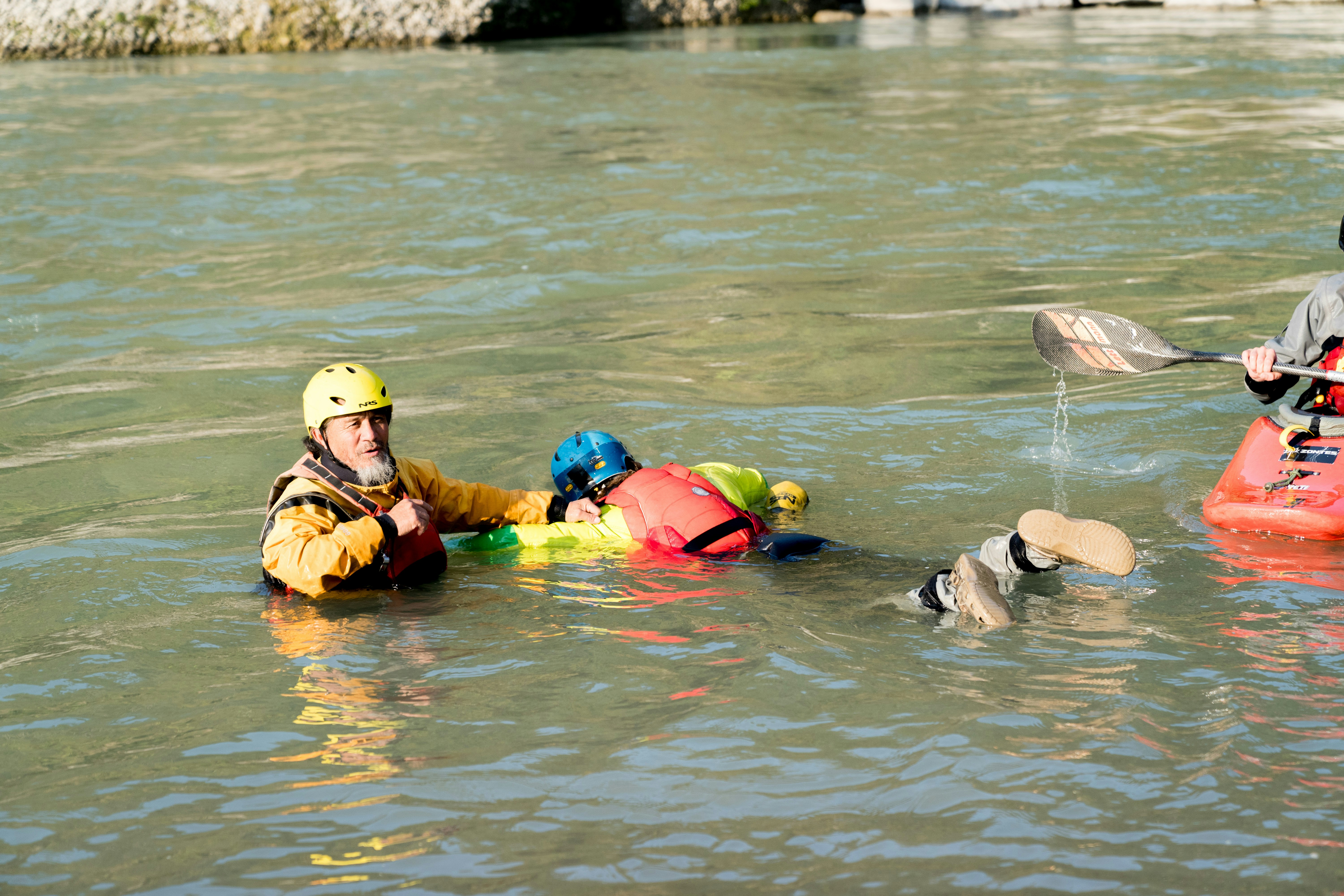
Cold Water Immersion: Kayaker’s Survival Guide
Every year, experienced paddlers die in what should be routine kayaking trips. The culprit is rarely rough water or poor technique—it’s cold water immersion. Unlike drowning in warm conditions, where panic is the primary threat, cold water attacks your body’s ability to move, think, and save yourself. Understanding this danger isn’t about fear—it’s about having the knowledge to prevent tragedy and respond effectively when things go wrong.
This guide covers everything you need to know: how your body responds to cold water, how to recognize dangerous conditions before you launch, essential kayak safety prevention strategies, and what to do if you or a paddling partner ends up in the water unexpectedly.
What Cold Water Does to Your Body
Understanding the physiological stages of cold water immersion helps you recognize when things are going wrong—and why prevention and preparation matter so much. The National Weather Service defines cold water as temperatures below about 60°F (15°C). Below this threshold, your body’s normal responses to submersion become severely compromised. Unlike air temperature, which warms quickly in spring and summer, water temperature lags behind dramatically. A sunny 75°F afternoon in May might feel safe for paddling—but the water you’re paddling on could still be in the low 50s, a condition that demands the same respect as midwinter.
Cold Shock Response (First 1-3 Minutes)
The moment cold water contacts your skin, your body launches an immediate survival response. You gasp involuntarily. Your breathing rate accelerates dramatically—sometimes doubling or tripling. This hyperventilation makes it nearly impossible to hold your breath or keep your mouth above water.
This phase is statistically the most dangerous for sudden death. The gasp reflex alone can cause aspiration if your face goes under. Combined with the sudden increase in blood pressure and heart rate, cold shock can trigger cardiac events even in otherwise healthy individuals. Many drowning deaths in cold water occur within these first critical minutes—not from prolonged submersion, but from loss of control during the initial cold shock phase.
Swimming Failure (5-15 Minutes)
After the initial shock subsides, a deceptive calm sets in. You might feel you can swim to safety. The problem is that your muscles are already becoming functionally impaired, and you don’t feel it happening.
Within five to fifteen minutes, depending on water temperature and your fitness level, you’ll lose the ability to perform coordinated swimming motions. Your hands lose grip strength. Your arms become difficult to lift. Your legs may stop responding to commands. Swimming failure occurs while you’re still conscious and aware—the mind is clear but the body no longer cooperates.
This is why self-rescue attempts must happen immediately, before swimming failure sets in. Review our guide on how to perform a kayak self-rescue to prepare for this scenario.
Hypothermia and Loss of Consciousness
As core body temperature continues to drop, the brain itself begins to malfunction. Confusion, lethargy, and loss of judgment replace clear thinking. Eventually, consciousness is lost entirely. At this point, unless rapid rescue occurs, cardiac arrest follows.
Survival times in cold water vary significantly based on water temperature, body size, clothing, and individual physiology. Warmer water extends survival time; colder water compresses it. Whatever numbers you encounter in various sources, treat them as general estimates—your goal should always be preventing immersion entirely.
Recognizing Dangerous Cold Water Conditions
Effective cold water paddling safety starts before you leave home. Assessing conditions means looking at water temperature, not just air temperature.
Temperature Thresholds That Matter
Water below 60°F (15°C) demands cold water precautions. Below 50°F (10°C), the danger escalates significantly. Below 40°F (5°C), immersion becomes rapidly life-threatening even for highly conditioned individuals in proper gear.
Remember that water temperature changes slowly. Mountain lakes, northern rivers, and deep waterbodies stay cold long after air temperatures climb. Coastal paddlers face cold water year-round in many regions. Check water temperature forecasts for your specific paddling area—don’t assume it matches air conditions.
Seasonal and Geographic Patterns
Spring and fall paddling in temperate regions demands the most vigilance. These seasons see the most paddling activity concurrent with the coldest water. High-altitude lakes may never warm to truly safe temperatures even in summer.
Wind chill on exposed waterways compounds the danger. Strong winds accelerate cooling of both water and any exposed skin, reducing the time available for rescue after immersion.
Warning Signs You’re Underestimating Conditions
Paddlers frequently underestimate cold water danger when they haven’t experienced it before. Watch for these patterns:
- Relying on air temperature alone to determine safety
- Wearing summer paddling gear in shoulder season
- Paddling alone without a float plan
- Not checking local water temperature forecasts
- Assuming that recent warm weather means warm water
Prevention: The Only Reliable Strategy
No rescue technique matches the effectiveness of preventing immersion in the first place. Cold water safety starts with preparation.
Dress for Water Temperature, Not Air Temperature
Your clothing system must account for the possibility of full immersion. A drysuit provides the best protection, creating a waterproof barrier that retains a layer of air for insulation. Wetsuits offer less protection but can extend survival time significantly. Whatever you choose, avoid cotton—it loses all insulating value when wet and accelerates heat loss.
Layer appropriately beneath your immersion suit. Synthetic fabrics and wool retain some insulation when wet; cotton does not. Plan for the water temperature, not the expected weather. See our detailed comparison of wetsuit vs drysuit for kayaking to choose the right gear.
Essential Safety Gear
Your PFD is non-negotiable equipment, not optional gear. In cold water, it does something no skill can replace: it keeps your airway above the surface even if you lose consciousness. Choose a vest-style PFD designed for paddling that won’t restrict your breathing or range of motion.
Spray skirts serve double duty in cold conditions—they keep water out of your cockpit while providing thermal protection for your core. Consider cockpit covers for times when you’re not actively paddling. Browse our essential kayaking safety gear checklist for a complete list of recommended equipment.
The Float Plan
A float plan is a simple document telling someone who cares about you where you’re going, when you plan to return, and what to do if you don’t check in. This single habit dramatically increases your chances of being found quickly if something goes wrong.
Leave your float plan with a reliable contact who understands the protocol: note the time you expect to return, agree on a check-in procedure, and have them contact emergency services if you miss your window without communication. Learn how to create a proper float plan for your next trip.
Paddling With Partners
The buddy system provides both prevention and faster response. Partners can notice if you’re struggling before you recognize the danger yourself. In cold water conditions, paddling with a partner isn’t just smart—it’s essential.
If You Fall In: Immediate Actions
Despite best preparations, immersion still happens. Knowing what to do in those first critical seconds can determine survival.
Surviving Cold Shock
When you hit the water, your first priority is controlling your breath. The involuntary gasp response means you must get your face above water immediately and focus on slow, controlled breathing. Fighting the cold shock response by thrashing dramatically makes it worse—hyperventilation in cold water dramatically increases drowning risk.
Once you have breathing under control, assess your situation. Is your kayak nearby? Your PFD on? Can you reach safety?
Self-Rescue Priority
Your primary goal is exiting the water or returning to your kayak. This must happen before swimming failure sets in—typically within five to fifteen minutes depending on conditions.
For capsized kayakers, the goal is getting back on top of your vessel. If you’re wearing a spray skirt, release it first to prevent entanglement during re-entry. Then work toward your kayak’s midline, pull your chest onto the widest part of the kayak, and swing your legs aboard. A swift self-rescue drill practiced until it becomes automatic gives you the best chance of successful re-entry.
If self-rescue isn’t immediately possible, conserve energy and focus on staying at the surface.
HELP Position and Energy Conservation
If you cannot exit the water, adopt the Heat Escape Lessening Position (HELP): pull your knees to your chest, wrap your arms around them, and keep your chin tucked. This compact position minimizes the surface area exposed to water and significantly slows heat loss.
Stay as still as possible. Movement accelerates heat loss by pushing warm water away from your body and replacing it with cold water. Fighting hypothermia by swimming vigorously doesn’t work—you’ll exhaust yourself and cool faster.
Signaling for Rescue
Attract attention without exhausting yourself. Wave if rescuers are nearby. If you have a whistle, use it—three blasts is the universal distress signal. Whatever you do, don’t exhaust yourself trying to swim to an unreachable shore if assistance is coming.
Rescue and Recovery
If you’re rescuing someone else from cold water immersion, your safety matters too. Don’t become a victim yourself.
Approaching Safely
Reach-throw-row-go. First, attempt rescue from shore or stable vessel using extended reach. If that’s not possible, throw rescue equipment. Only enter the water yourself as a last resort, and never alone.
When you reach the victim, speak calmly and reassuringly. People in cold water shock may be confused or panicked. Clear communication helps them cooperate with rescue.
Removing the Victim
Get them out of the water as quickly as possible. Support their head and neck—this is especially important if they were unconscious. Remove any wet clothing that can be replaced with dry layers, but don’t spend excessive time on clothing removal if they’re severely hypothermic.
Post-Rescue Care
After rescue, your priority is preventing further heat loss. Remove wet clothing and replace it with dry layers. Insulate from below as well as above—cold ground conducts heat away from victims lying on it.
Do not vigorously rub limbs or extremities—this can push cold blood back toward the heart. Do not give hot drinks until the person is thoroughly rewarmed—they can cause dangerous cardiac stress.
When to Call Emergency Services
Cold water immersion with hypothermia requires professional medical evaluation. Call emergency services if the victim shows any of these signs:
- Loss of consciousness
- Slurred speech or confusion
- Inability to cooperate with rescue
- Shivering that has stopped (this can indicate severe hypothermia)
- Any deterioration after removal from water
Even victims who seem to recover quickly need medical evaluation. Cold water immersion can cause hidden cardiac stress and other complications.
Essential Gear for Cold Water Paddling
Proper equipment dramatically improves your survival odds if immersion occurs.
Drysuits vs. Wetsuits
A drysuit provides the best protection, keeping water from reaching your skin entirely. They require proper layering underneath for insulation. Drysuits are the preferred choice for serious cold water paddling.
Wetsuits work by trapping a thin layer of water against your skin, which your body then warms. They provide less protection than drysuits but remain a viable option when dry options aren’t available. Consider neoprene thickness—thicker neoprene provides more insulation. Our wetsuit vs drysuit guide explains the trade-offs in detail.
PFD Selection
Choose a PFD rated for cold water use. It should fit snugly without riding up, keep your airway clear when you’re floating, and allow unrestricted breathing. Inflatable PFDs can be problematic in cold conditions—mechanical inflators may fail to activate properly in freezing temperatures.
Head, Hands, and Feet
Heat loss from the head is significant—wear appropriate insulating headwear. Neoprene gloves and booties protect extremities, which lose function fastest in cold water. These items are often overlooked until it’s too late.
Emergency Equipment
Carry a marine whistle attached to your PFD. A throw bag serves double duty—rescue rope for others and potential self-rescue tool. A waterproof communication device or cell phone in a waterproof case enables calling for help.
Building a Cold Water Safety Culture
Personal preparation matters, but community standards save lives too. Share cold water knowledge with fellow paddlers. Model proper cold water preparation even when others seem to dismiss the danger. Encourage new paddlers to take cold water seriously from the start.
Consider taking a formal rescue course that includes cold water scenarios. These courses build both practical skills and the judgment to recognize dangerous conditions. Look for American Canoe Association or equivalent safety instruction in your region.
Frequently Asked Questions
What temperature is considered cold water for kayakers?
The National Weather Service defines cold water as temperatures below approximately 60°F (15°C). Below this threshold, your body’s normal responses to submersion become severely compromised. Water temperature below 50°F (10°C) significantly increases danger, and below 40°F (5°C), immersion becomes rapidly life-threatening.
How long can a person survive in cold water?
Survival times vary significantly based on water temperature, body size, clothing, and individual physiology. Cold water extends survival time compared to very cold water, but these are general estimates—your goal should always be preventing immersion entirely rather than relying on survival time calculations.
How do I get back into my kayak after falling in cold water?
First, release your spray skirt if attached to prevent entanglement. Work toward your kayak’s midline, pull your chest onto the widest part of the kayak, and swing your legs aboard. Practice this self-rescue technique until it becomes automatic—it must happen within five to fifteen minutes before swimming failure sets in.
Conclusion: Respect the Water, Survive the Cold
Cold water immersion follows predictable phases: cold shock, swimming failure, and hypothermia. Understanding these phases transforms your approach to cold water paddling. You’re no longer guessing what might happen—you know what will happen if immersion occurs.
Before your next cold season paddle, review your gear. File a float plan. Know the water temperature for your paddling destination. Dress for immersion rather than for air temperature. Practice self-rescue until it’s automatic.
Cold water paddling is rewarding and safe—when you respect the danger and prepare accordingly. The paddlers who survive cold water emergencies are those who took the threat seriously before anything went wrong.
Your life depends on preparation. Make it before you need it.
Knowledge is your first piece of safety gear. Share this guide with every paddler you know.