You’ve got your gear. You’ve practiced in a calm pool or backyard. Now it’s time to find the perfect place to launch your kayaking life. These destinations are beginner-friendly, gorgeous, and forgiving — the ideal training grounds for new paddlers. If you haven’t already, check our ultimate beginners checklist before you start planning.
1. Lake Tahoe, California/Nevada
The crystal-clear blue water of Lake Tahoe is the stuff paddling dreams are made of. Flat-water paddling along the shore offers incredible visibility into the lake’s depths, and the surrounding Sierra Nevada scenery is unmatched. Kingsbury Grade and Sand Harbor are popular put-ins. Note: afternoon winds can pick up, so go early. Before you head out, check our complete guide to kayak paddles to make sure you’re equipped with the right blade for flatwater cruising, and learn the differences between lake and sea kayaking to pick the right boat for this environment.
2. Buffalo National River, Arkansas
The nation’s first national river offers 135 miles of paddleable water through the Ozarks. The upper sections (above Pruitt) are gentle, Class I water perfect for beginners. The scenery — towering bluffs, clear water, wildlife — rivals anywhere in the country. Check out our guide to understanding water conditions before you go, and review current river levels at the National Park Service Buffalo River page.
3. Puget Sound, Washington
Don’t let the cold water scare you off. With proper gear (wetsuit or drysuit required), Puget Sound offers some of the most scenic beginner paddling in the country. Blake Island and the San Juan Islands offer sheltered routes with stunning Pacific Northwest scenery. Review our cold-water immersion safety guide before paddling in these waters. For gear recommendations, see our 15 essential safety items checklist. If you’re considering an inflatable kayak for this trip, read our complete guide to choosing the right inflatable kayak.
4. Myrtle Beach, South Carolina
The Murrells Inlet and surrounding tidal creeks offer calm, sheltered water with abundant wildlife — dolphins, herons, and sometimes sea turtles. The relatively warm water means you can paddle in a swim suit almost year-round. Several local outfitters offer guided trips for first-timers. New to paddling? Learn how to get in and out of your kayak safely before joining a guided tour. Interested in combining paddling with fishing? Our kayak fishing for beginners guide covers everything you need to know.
5. Boundary Waters Canoe Area, Minnesota
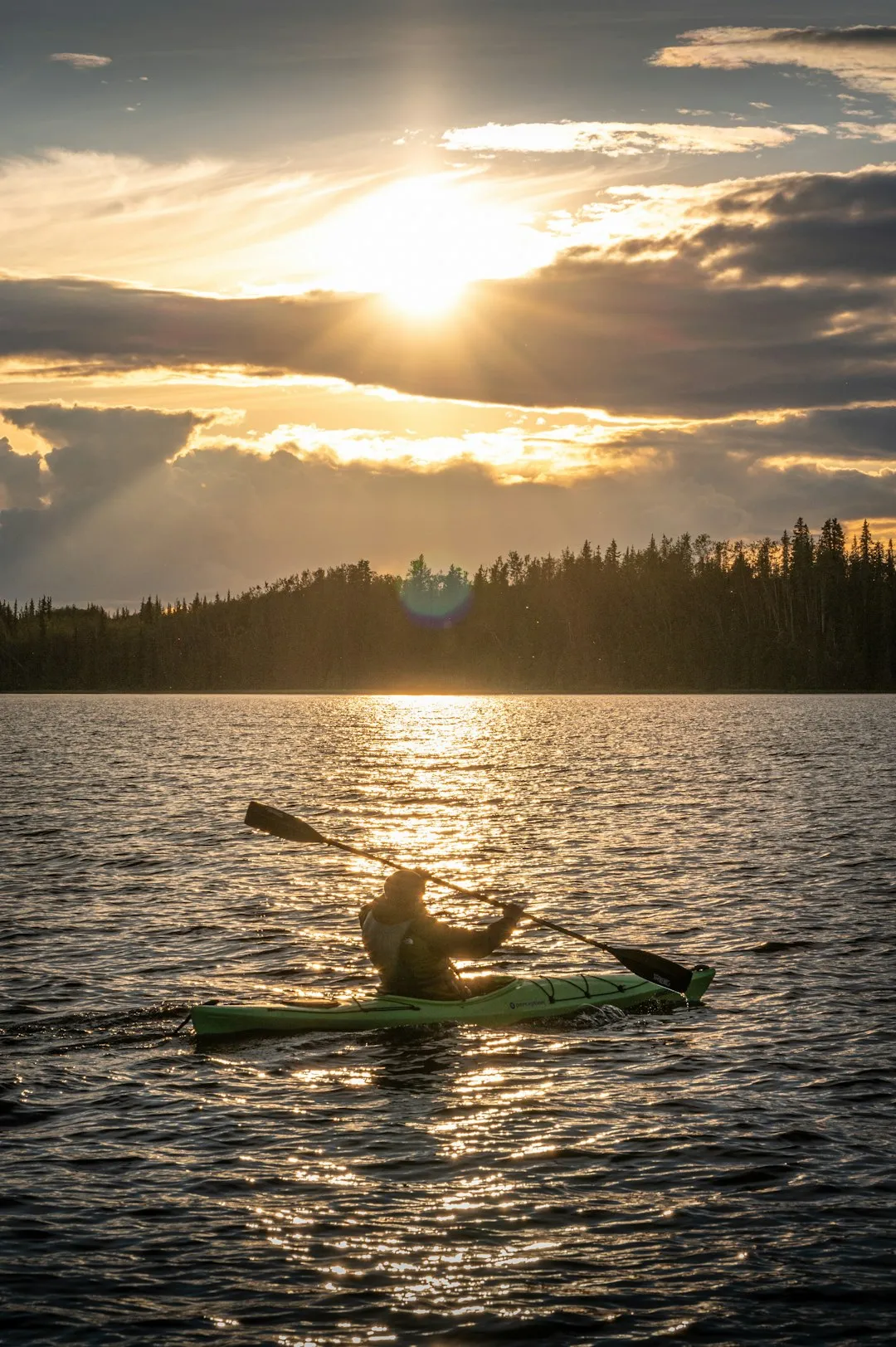
Over 1,000 lakes, no motors, no development. The BWCA is the quintessential wilderness paddling destination. Start with a shorter overnight on one of the more accessible entry points (like Saganaga or Louse Point). Portage a few rods, find a campsite, and experience paddling at its most pure. Before you go, make sure you’ve reviewed our essential kayak safety checklist and our year-round kayak storage and maintenance guide to ensure your gear survives the adventure. Learn more about minimizing your environmental impact with our conservation guide for kayakers.
6. Rainbow River, Florida
A natural spring-fed river in central Florida with gin-clear water, consistent 72°F water temperature year-round, and a gentle current. The entire 5.5-mile paddling distance is flat water. Manatees are common in winter. An ideal destination for beginners of any age. Remember to review cold-water immersion safety even in warm climates — sudden immersion can still be a shock. Planning multiple Florida paddling trips? See our best paddling destinations for spring 2026.
7. Upper New River, West Virginia/Virginia
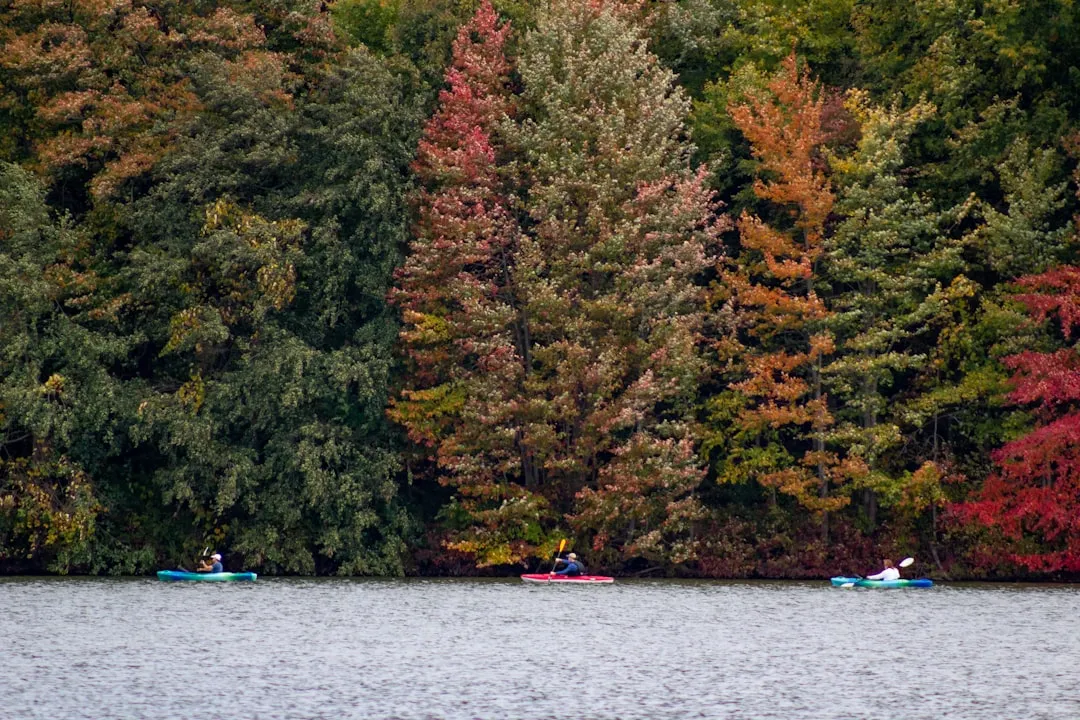
The upper section of the New River is a hidden gem — a gentle, scenic float with minimal rapids (mostly Class I) suitable for beginners. Gorgeous Appalachian scenery, good fishing, and few crowds. A wonderful alternative to more trafficked rivers. Brush up on reading water conditions before you set out to identify any unexpected features. If you’re bringing the family, our parent’s handbook for introducing kids to paddling has everything you need to know.
8. Lake Champlain, Vermont/New York
The “Sixth Great Lake” offers over 500 square miles of paddling with shelter from islands and a relatively mild motorboat situation in most zones. The lake has a calm, manageable character for experienced beginners. Ferry crossings offer escape routes if conditions change. Learn more about lake kayaking vs sea kayaking to prepare, and check current conditions with the Lake Champlain Committee.
9. Weeki Wachee River, Florida
Often called the “Mermaid City,” Weeki Wachee is a cool, swift spring-fed river with a mild current. The water is crystal clear, visibility down to the sandy bottom, and manatees frequent the area in cooler months. The state park manages the river and limits daily paddlers — go early. Planning a family trip? Our guide to introducing kids to paddling has tips for paddling with children. If you’re debating between kayaking and paddleboarding, our comparison of advantages can help you decide what to bring.
10. Salt River Bay, US Virgin Islands
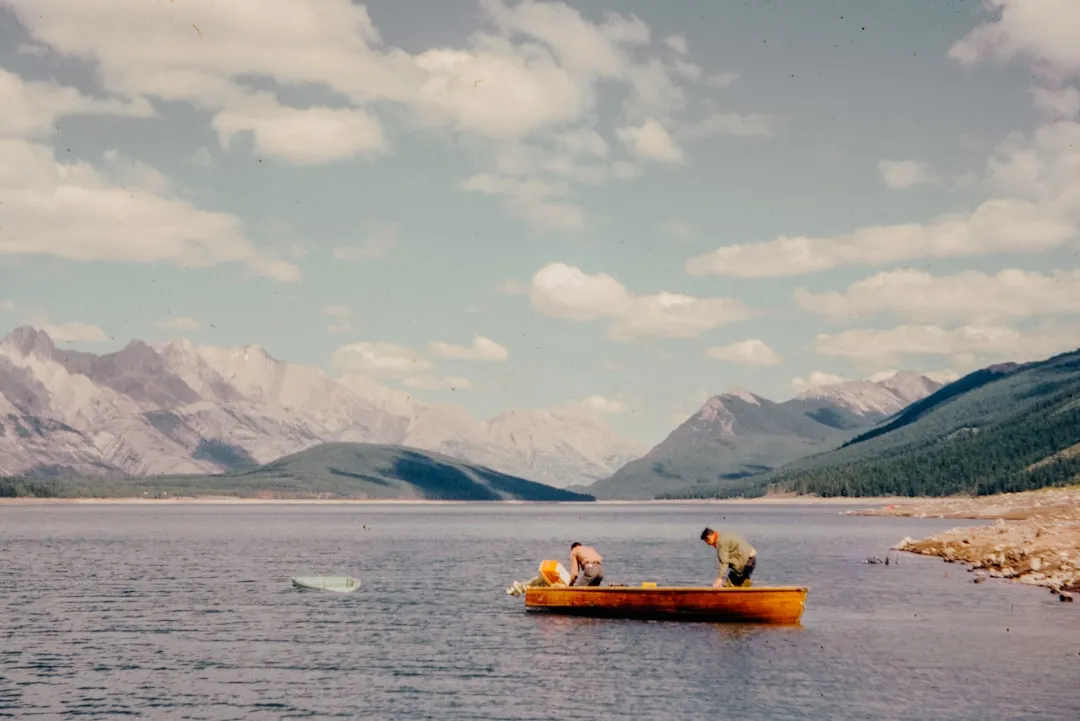
For those who want tropical paddling, Salt River Bay on St. Croix offers calm, protected water with a rich ecosystem — mangroves, sea turtles, rays, and occasional manatees. It’s also a historic site, with petroglyphs visible at low tide. Paddle season runs November through June. If you’re new to paddling, brush up on how to get in and out of your kayak safely. For tropical destinations, our paddling history overview offers fascinating context on how paddling traditions evolved worldwide. Don’t forget to check current conditions with the USVI National Park Service before planning your trip.
Tips for Your First Destination
- Check weather and wind conditions before you launch — no matter where you go. The NOAA Weather Radio is an invaluable tool for on-water conditions.
- Start early in the day. Afternoon winds and afternoon crowds both work against you.
- Bring more water than you think you need. Paddling is thirsty work. Review our 15 essential safety items checklist to ensure you’re prepared.
- Tell someone your float plan: put-in, take-out, expected return.
- Don’t overextend on your first trip. Shorter, familiar routes build confidence faster than ambitious first missions. Looking for more inspiration? Check out our 10 best beginner kayaking destinations in the United States for additional spots to explore.
Related Articles
- Inflatable vs Hard-Shell Kayaks
- Essential Kayak Safety Checklist
- How to Read Water: Beginner’s Guide to Currents & Conditions
- Best Kayaks for Beginners 2026
- How to Get In & Out of Your Kayak Without Tipping
- Cold-Water Immersion: Kayaker’s Survival Guide
- Family Kayaking: Introducing Kids to Paddling
- Mastering the Forward Stroke: Paddle Like a Pro