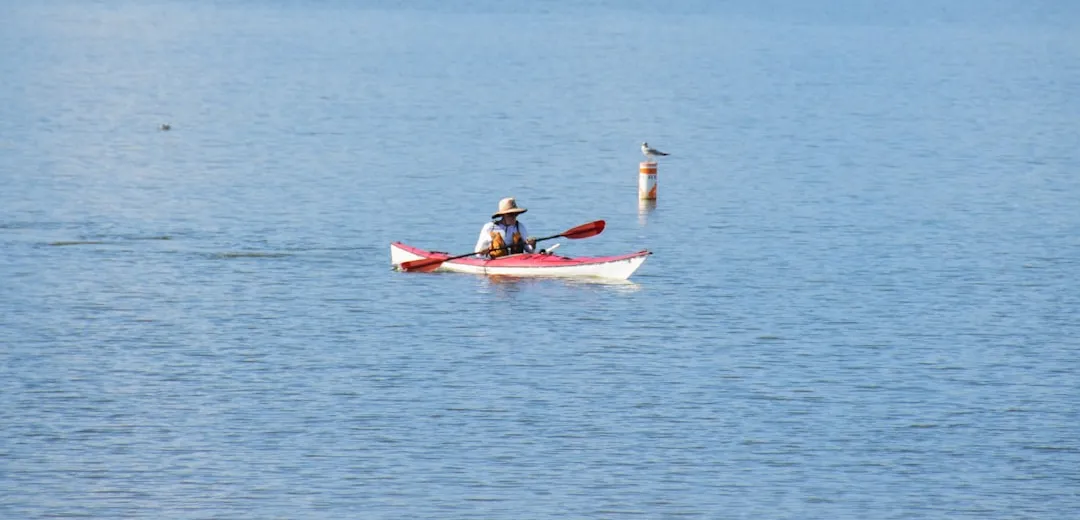
Kayaking on a calm lake and kayaking on the ocean are both kayaking — but the experience, the skills required, and the gear needed are so different that they’re practically different sports. Understanding the differences before you venture out can mean the difference between a great day and a dangerous one.
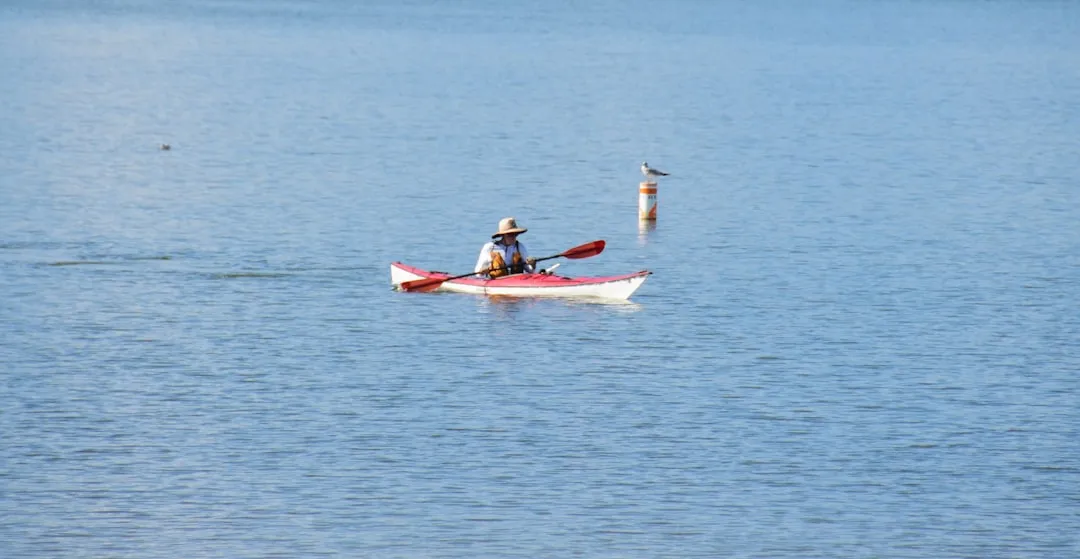
The Fundamental Difference: Conditions
Lakes are for the most part closed systems. They’re bounded, predictable, and respond to weather with a delay. The ocean is open, dynamic, and constantly influenced by wind, tide, and weather. That one difference drives everything else.
Gear Differences
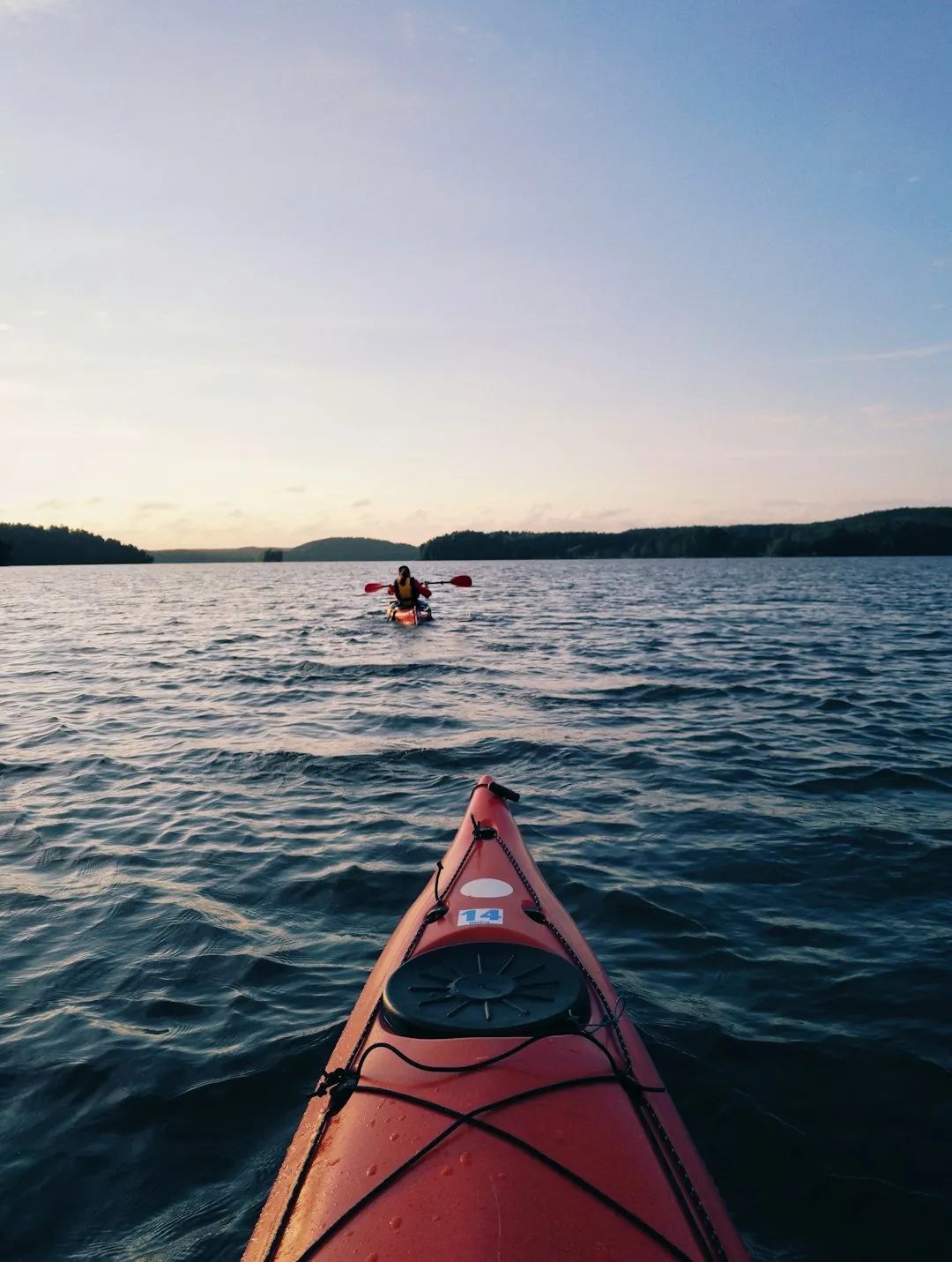
- Hull shape: Lake kayaks tend to be wider and more rounded for stability and maneuverability in calm water. Sea kayaks are longer and narrower for speed and tracking in wind and chop. If you’re shopping for your first boat, check out our best kayaks for beginners guide to understand what features matter most.
- Spray skirts: Standard on most sea kayaks to keep water out of the cockpit. Often unnecessary on lake kayaks, which are frequently sit-on-top designs. For a full breakdown of essential kayaking gear, including skirts and other must-haves, see our comprehensive guide.
- Bulkheads and sealed hatches: Sea kayaks have built-in watertight compartments for safety gear, food, and overnight equipment. Most lake kayaks have open storage wells or limited dry storage.
- Paddle design: Sea kayaking paddles are longer (220–250 cm) with low-angle blade shapes for efficiency over long distances. Lake paddles can be shorter and more versatile. Our complete guide to kayak paddles covers materials, sizes, and blade shapes in detail.
- Safety gear: Sea kayaking requires significantly more safety equipment: VHF radio or communication device, flares, paddle float, pump, tow rope, and often a wetsuit or drysuit in cold water. Review our kayak safety checklist before any paddling trip.
Skills Required
Sea kayaking demands advanced techniques and knowledge. Before venturing into coastal waters, paddlers should understand tidal dynamics and coastal navigation — skills that transform uncertain lake paddlers into confident ocean explorers. Critical competencies include tide prediction, weather pattern interpretation, and self-rescue techniques like wet exits, re-entry methods, and paddle float rescue. These aren’t optional enhancements but essential survival skills in open water environments.
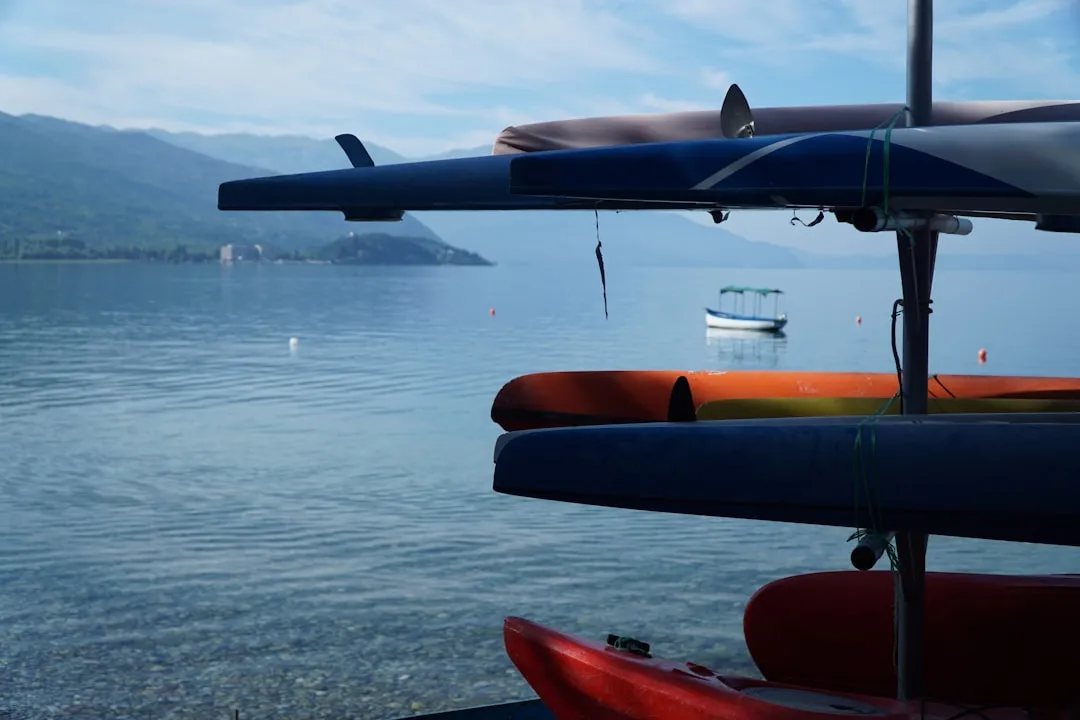
For lakes, basic paddle strokes, simple maneuvering, and water comfort typically suffice. While getting in and out of a kayak without mishaps remains important everywhere, self-rescue skills are strongly recommended but rarely tested.
Planning and Risk Management
This is where the difference is most stark.
Sea kayaking demands meticulous preparation. You must account for tidal currents (which can exceed 10 knots in some areas), wind and wave direction, fetch (how far the wind travels over open water), and the possibility of being blown offshore. Launching and landing often involves surf zones with their unique challenges. Rescue options are limited and help may be far away.
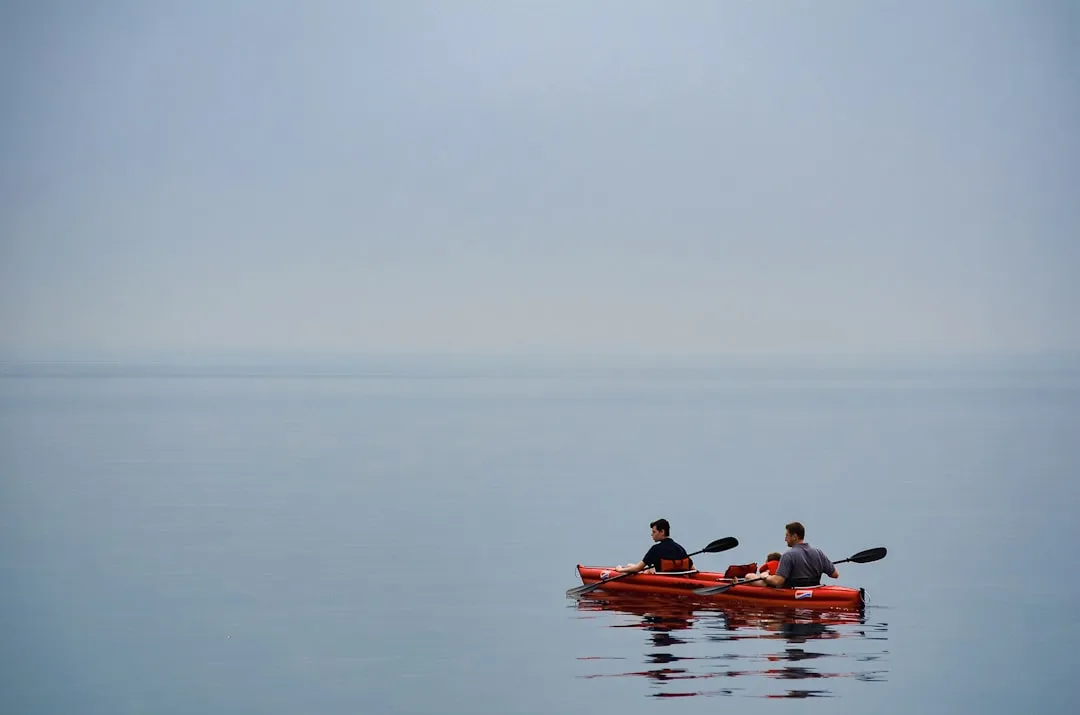
Lake kayaking requires weather awareness, but the water is contained and predictable. Rescue is usually close by, and getting back to shore is straightforward unless you’re on a very large lake. For those looking to explore scenic waterways, our guide to escape-the-crowds-best-kayaking-spots-in-orlando showcases how lake paddling can offer peaceful retreats.
The Learning Curve
You can have a genuinely great day on a lake with minimal experience. The same is not true of the ocean. Sea kayaking rewards training and punishes overconfidence. The phrase “easy to get into, hard to get out of” applies to ocean paddling more than almost any other outdoor activity.
If you’re a lake paddler wanting to transition to the ocean, take a formal sea kayaking course. Look for instructors certified through the American Canoe Association (ACA) or British Canoeing. These courses teach you things you won’t figure out on your own: surf zone management, tide planning, rescue techniques, and handling the psychological stress of open water. The ACA maintains a database of certified instructors and courses nationwide.
For additional training resources, explore our articles on cold-water immersion survival and mastering essential rescue techniques.
Can You Use the Same Kayak?
Sometimes. A short recreational lake kayak is a poor choice for open ocean paddling. But a longer touring kayak (16–18 feet) with bulkheads and a skeg or rudder can handle both calm lake paddling and moderate coastal conditions. If you want one kayak that bridges both worlds, look in the touring category.
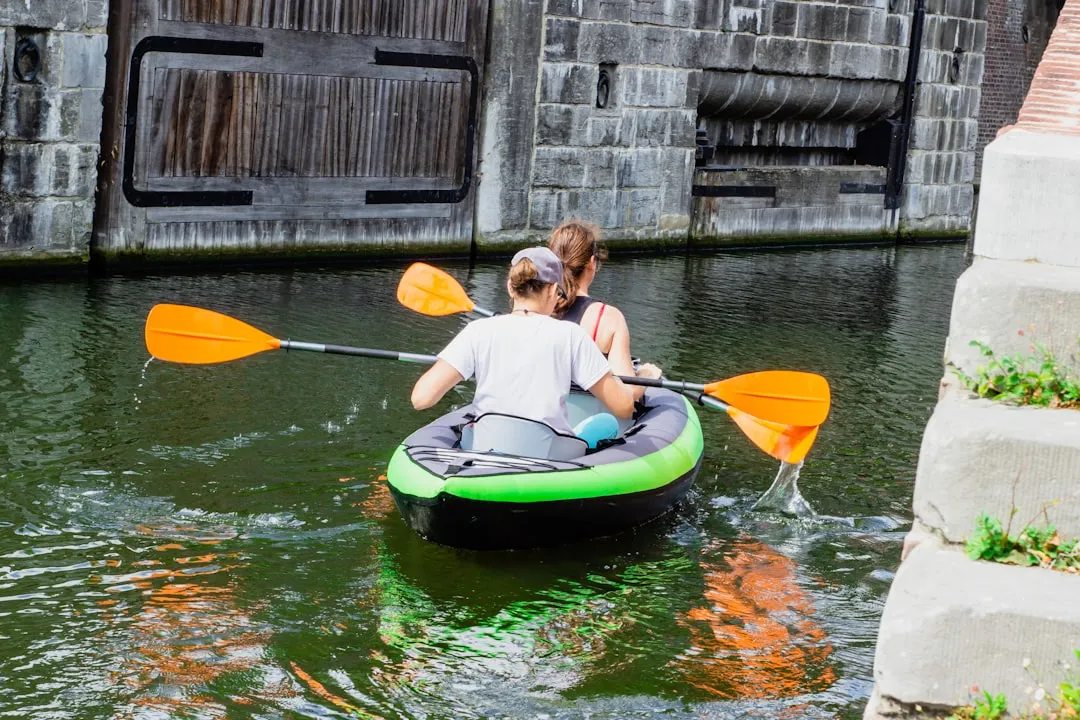
For more on choosing the right kayak, see our comparison of inflatable vs hard-shell kayaks and our ultimate guide to inflatable kayaks.
Environmental Responsibility
Whether you’re on a lake or the ocean, minimizing your environmental impact protects the ecosystems you came to enjoy. Sea paddlers especially must be conscious of sensitive coastal habitats, marine wildlife, and proper disposal of waste.
Neither discipline is better — they’re just different. The lake offers peace, scenery, and accessibility. The ocean offers drama, challenge, and a connection to something vast. Knowing which one you’re signing up for is the first step to having a great time.