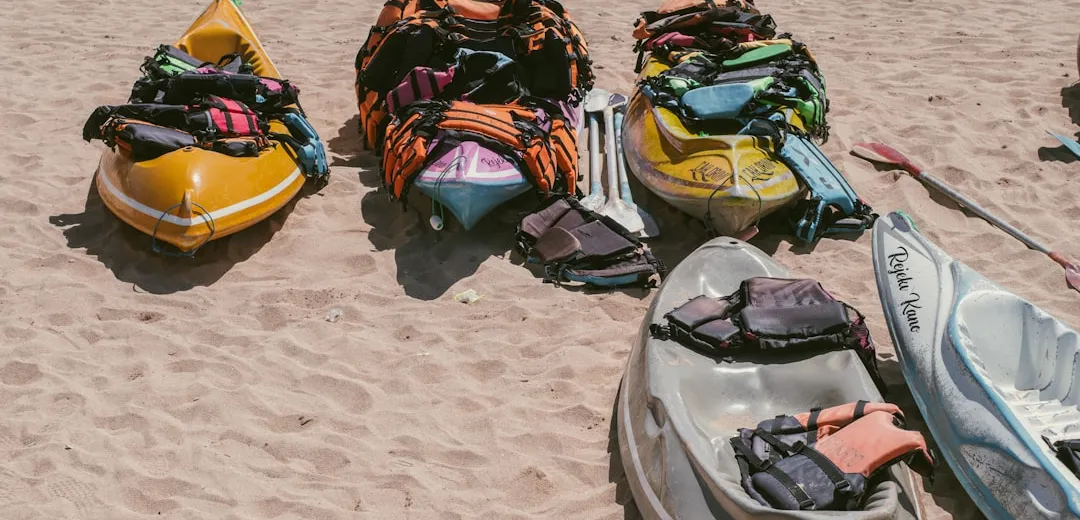
Kayaking is a fun and exciting way to explore the great outdoors. Whether you’re a beginner or an experienced kayaker, having the right gear can make all the difference in your safety and comfort on the water. Here are 10 essential kayaking gear items that you shouldn’t leave home without:
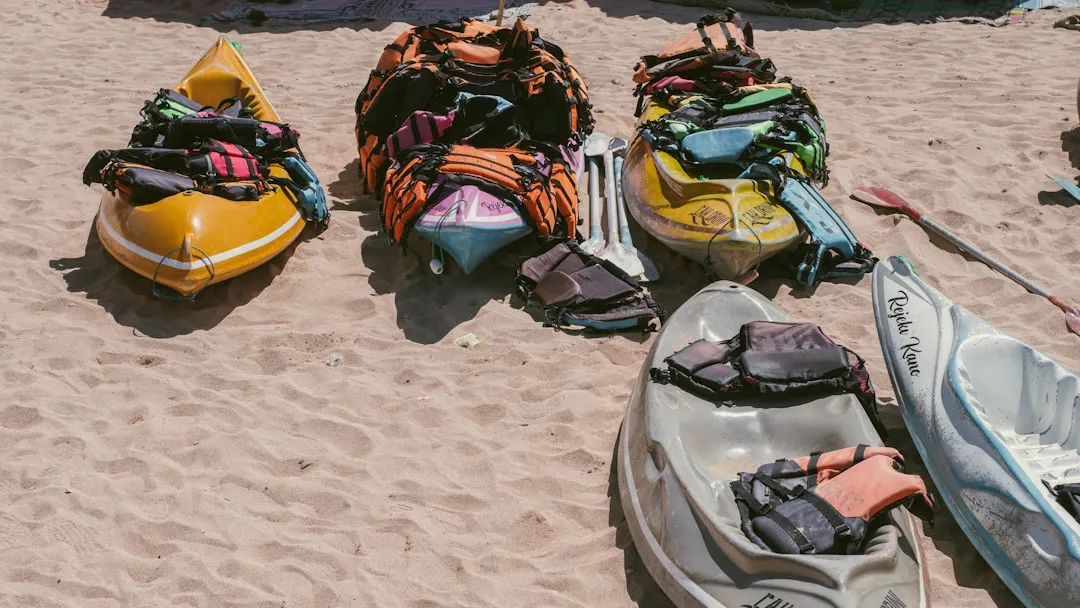
| Essential Item | Top Recommendation | Why We Love It | Check Price |
|---|---|---|---|
| Life Jacket (PFD) | NRS Ninja PFD | Low profile, doesn't restrict paddling stroke | View on REI |
| Paddle | Aqua-Bound Manta Ray | Lightweight carbon shaft, durable blades | View on Amazon |
| Dry Bag | Sea to Summit Big River | Extremely durable, reliable roll-top seal | View on Amazon |
1. Life Jacket
When it comes to kayaking, safety should always be your top priority. That’s why a life jacket (also known as a Personal Flotation Device or PFD) is the most essential piece of gear you should never leave home without. It will keep you afloat in case you fall into the water and can’t swim, which is crucial for your survival.
It’s important to make sure that your life jacket fits properly and is approved by the U.S. Coast Guard. This ensures that it meets safety standards and will provide the necessary protection in case of an emergency. For more detailed safety information, check out our kayak safety checklist.
So, always remember to wear your life jacket when kayaking, no matter how experienced a paddler you are.
2. Paddle
A paddle is another item you cannot forget when kayaking. The right paddle can make all the difference in your kayaking experience. The length of your paddle should depend on your height and the width of your kayak. If you’re wondering how sizing works, our complete guide to kayak paddles covers materials, sizes, and shapes in detail.
You can also choose from different materials such as aluminum, fiberglass, or carbon fiber. The lighter the paddle, the less fatigue you will experience while paddling. The American Canoe Association recommends testing different paddle materials before making a purchase.
Also, consider buying a backup paddle in case one gets lost or damaged while kayaking. Having a spare paddle will ensure you can make it back to shore safely.
3. Dry Bag
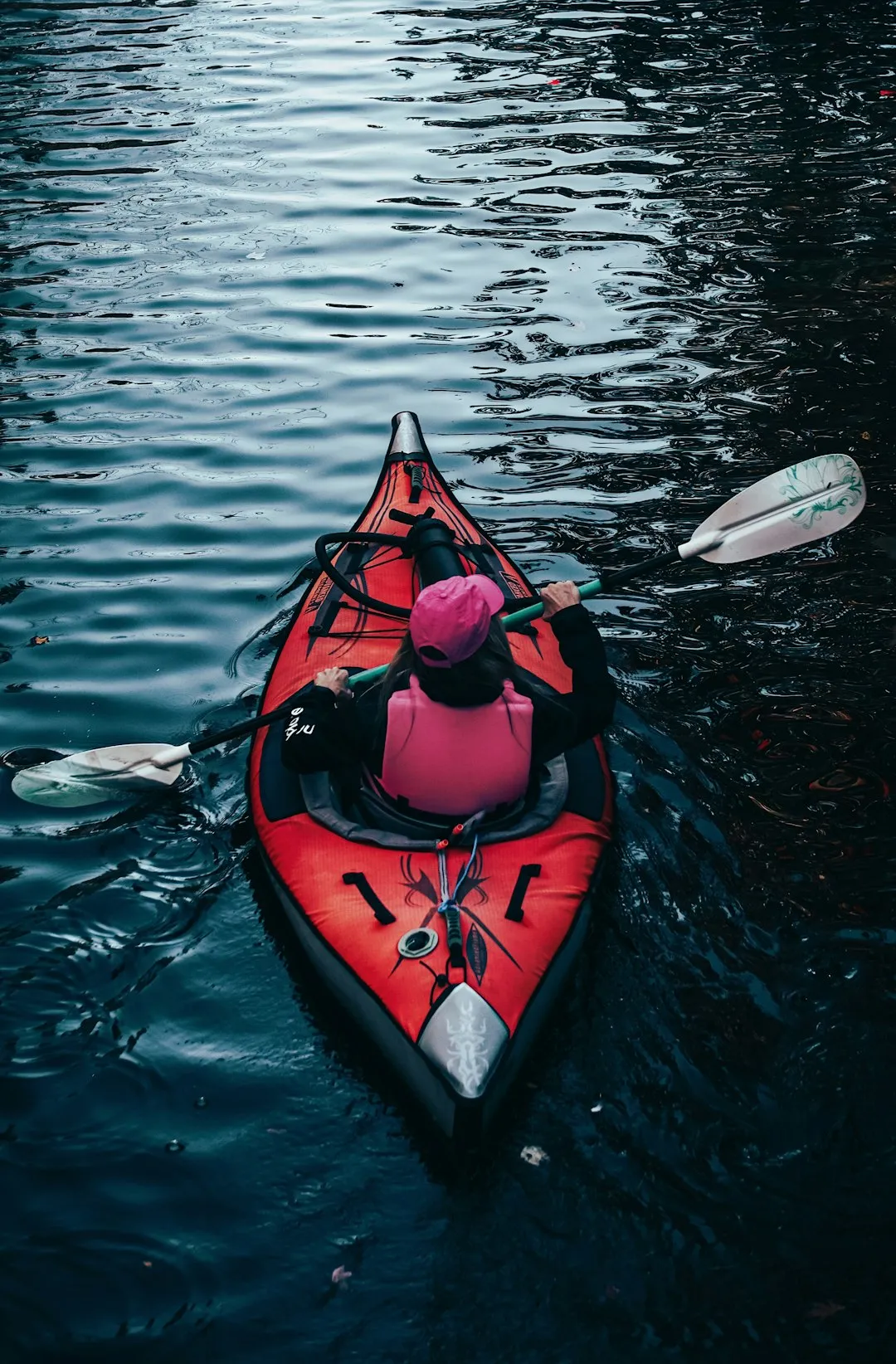
Protecting your gear from water damage is important, especially if you plan to bring electronics or valuable items on your trip. A dry bag is a waterproof bag that can keep your gear dry in case you fall into the water or it starts raining.
Dry bags are also available in various sizes and styles, so choose the one that is best suited for your needs. You can never go wrong with having extra dry bags so that you are prepared for any situation. For more tips on protecting your equipment, see our kayak storage and maintenance guide.
4. Waterproof Phone Case
Your phone can be an essential tool when kayaking, especially when it comes to navigation or taking pictures. A waterproof phone case can ensure that you bring your phone without the fear of getting it wet.
Waterproof phone cases are affordable and easy to use. They come in different sizes and can fit most phones. Just make sure to double-check the dimensions of your phone with the case you are buying. If you’re into capturing your adventures, you might also enjoy our kayak fishing guide for beginners which covers photography equipment tips.
5. Whistle
A whistle is a simple tool but can make a big difference in an emergency situation. It can help you signal for help if you fall into the water or encounter difficulties while kayaking.
Whistles are compact and easy to keep in your pocket or attached to your life jacket. The National Association of State Boating Law Administrators recommends carrying a whistle as part of your essential safety gear. Make sure to practice your whistle signals before your kayaking trip so that you know how to use it effectively in an emergency situation.
6. Sun Protection
When kayaking, you can be exposed to the sun for hours at a time. Sunscreen, sunglasses, and a hat or visor can help protect your skin and eyes from harmful UV rays.

Sunscreen should be waterproof with an SPF of at least 30. Sunglasses should offer UV protection and be made with polycarbonate lenses that are scratch resistant. A hat or visor can provide additional shade and help keep the sun out of your eyes. Planning a spring trip? Check out our best paddling destinations for spring 2026 for sun-drenched adventure ideas.
7. First Aid Kit
Accidents can happen while kayaking, and having a first aid kit on-hand can help you treat minor injuries or reduce the severity of more severe injuries until help arrives.
Your first aid kit should include items such as bandaids, gauze, antiseptic, pain relief medication, and a first aid guidebook. The American Red Cross recommends keeping your kit compact and weatherproof. Always make sure that your kit is up to date and that you know how to use the items inside.
8. Navigation Tools

If you plan to kayak in unfamiliar waters, it’s important to have navigation tools on-hand. A map and compass can help you navigate and avoid getting lost. Learn how to read water conditions with our beginner’s guide to reading water.
You can also consider purchasing a GPS system designed for kayaking. These systems can provide real-time location tracking and can help guide you to your destination. Pairing traditional navigation with modern technology ensures you stay safe on the water.
9. Snacks and Water
Kayaking can be a rigorous activity, and it’s important to stay hydrated and fueled. Make sure to bring enough water and snacks to keep you going throughout your trip.
Water bottles with a carabiner clip can easily attach to your kayak, ensuring that you always have water on hand. Granola bars, trail mix, and energy bars are easy snacks that can keep you going and provide the necessary energy for paddling. Looking for the perfect spot to refuel? Explore our best beginner kayaking destinations for scenic lunch breaks on the water.
10. Dry Clothing and Towel
After a long day of kayaking, dry clothing and a towel can be a welcome relief. Even if you don’t plan on getting wet, it’s always best to be prepared in case of unexpected splashes or rain. If you’re paddling in cooler conditions, our cold water immersion survival guide has additional tips for staying warm and dry.
Pack a set of dry clothing in a waterproof bag, and bring a towel to dry off after your trip. You will feel more comfortable and refreshed knowing that you have a dry set of clothes waiting for you after your kayaking trip.
Always be Prepared
In conclusion, kayaking can be a thrilling and rewarding experience, but it’s important to be prepared with the right gear. Don’t let a lack of equipment hold you back from exploring the waterways. With these 10 essential items, you’ll be ready for any adventure that comes your way. So, pack up your kayak and hit the water with confidence!
If you’re just getting started, make sure to also read our guide on getting in and out of your kayak and browse our best kayaks for beginners in 2026 to get equipped for your first paddling season!