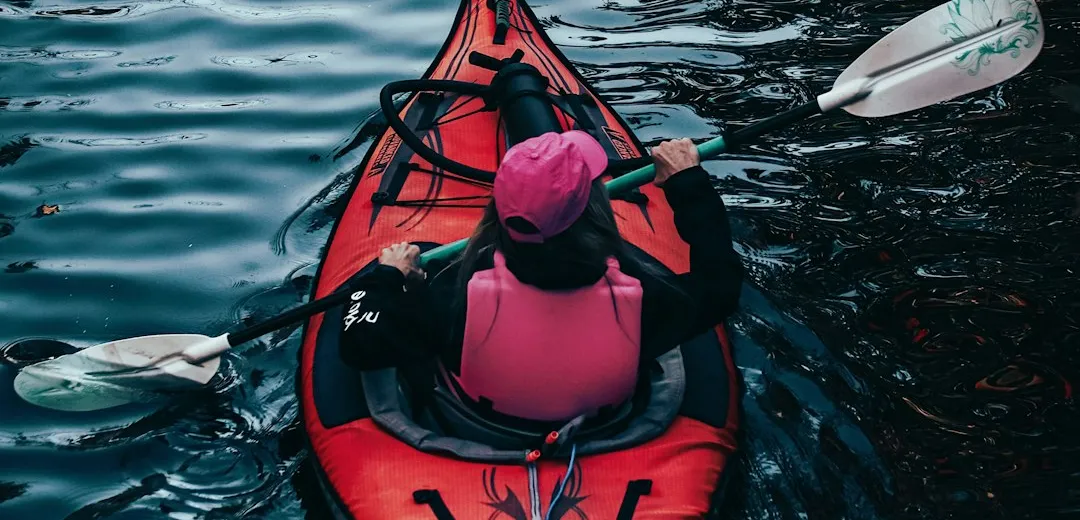
It’s the debate that shows up in every paddlesports forum, every gear shop, and every group chat among paddlers. Inflatable or hard-shell? The answer, as with most gear questions, is: it depends. But once you understand the real differences — not just the myths — you’ll know which camp you’re in.

The Quick Answer
If you want portability and don’t have storage space, go inflatable. If you want performance and plan to paddle regularly, go hard shell. If you’re not sure yet, start with an inflatable — they’re affordable enough that upgrading later isn’t a big loss.
The Case for Inflatable Kayaks
Modern inflatable kayaks have come a long way from the pool toys of decades past. Drop-stitch construction, high-pressure inflation, and advanced PVC and Hypalon materials have produced inflatables that rival hard shells in many ways.
Advantages
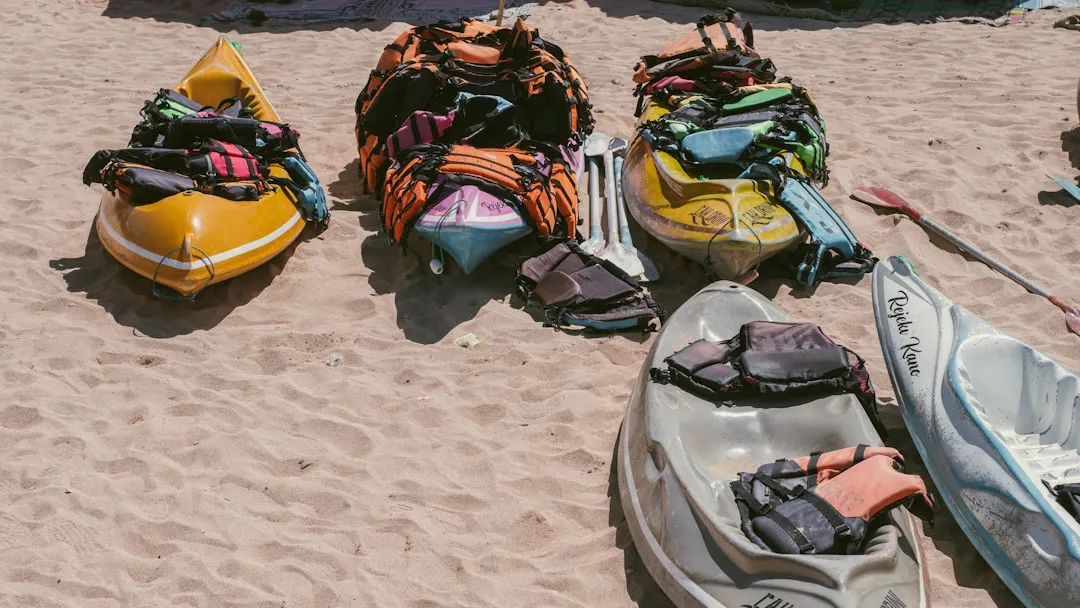
- Portability: They pack into a duffel bag. No roof rack needed. This alone makes them the right choice for apartment dwellers, travelers, and anyone without a dedicated kayaking vehicle. If you’re just getting started, check our guide to the best paddling destinations for beginners.
- Storage: Deflate, roll up, and shove in a closet. Hard-shell owners need garage space, wall mounts, or expensive storage solutions. If you want tips on storing a hard shell, check our kayak storage guide.
- Durability: This one surprises people. Inflatable kayaks are remarkably resistant to impacts — you can bounce off rocks and logs without cracking a hull. Hard shells can suffer gelcoat chips, cracks, and delamination.
- Price: Solid inflatable kayaks start around $300-$500. A comparable hard shell begins at $800-$1,000 and climbs fast. For gear prioritization on a budget, see our essential kayaking gear checklist.
- Versatility: Many inflatables work for fishing, recreation, and even light touring. Some models come with accessories that convert between paddling styles.
- Travel: You can take an inflatable kayak on a plane, in an Uber, or in the trunk of a compact car. Try that with a 14-foot hard shell. Explore hidden gems for kayaking near Orlando as a travel option.
Disadvantages
- Speed and tracking: Inflatables generally have more drag in the water and don’t track as straight as hard shells. You’ll paddle harder to go the same distance. Learn more about efficient paddling in our mastering the forward stroke guide.
- Setup time: You need to inflate before every paddle session — typically 5-10 minutes with a good pump. And deflate, dry, and store afterward.
- Performance in wind: Inflatables can be more affected by wind because of their higher profile above the waterline. If you’re planning to paddle in windy conditions, this matters. Check our cold water immersion survival guide if paddling in challenging conditions.
- Weight capacity: Some inflatable kayaks have lower weight limits, which can be limiting for heavier paddlers or gear-heavy trips. See our article on how height and weight affect kayaking.
The Case for Hard-Shell Kayaks
Hard shells — typically made from polyethylene, composite (fiberglass, carbon fiber, or aramid), or thermoformed plastics — are the traditional choice for a reason. They outperform inflatables in most measurable performance categories.
Advantages
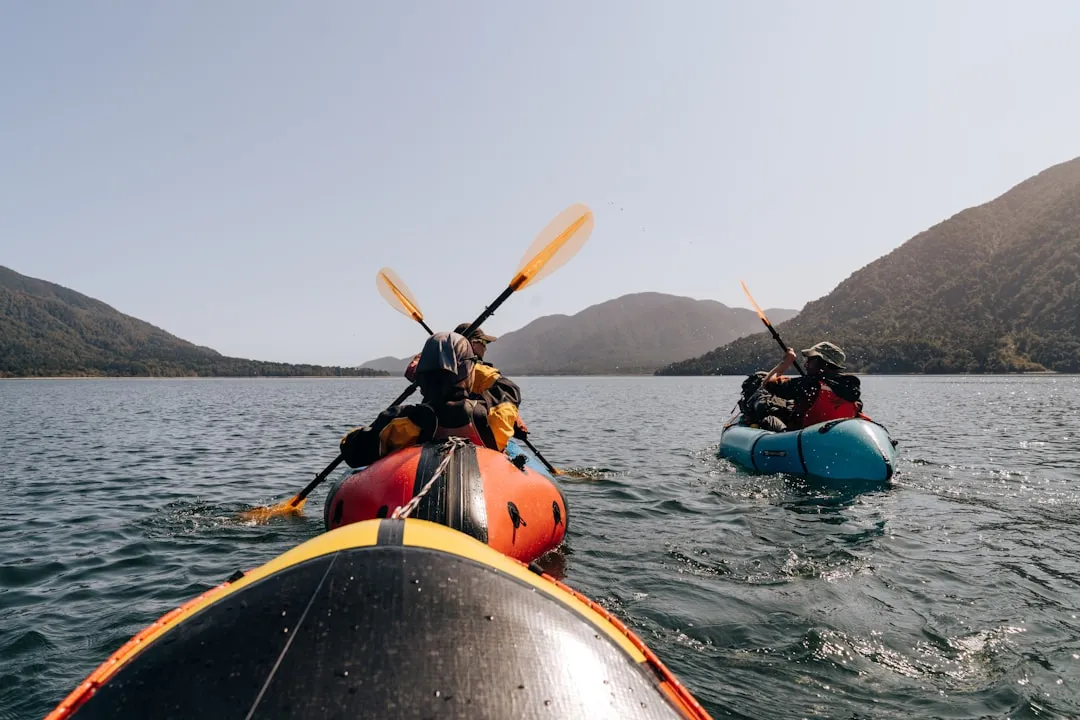
- Speed and efficiency: A hard-shell touring kayak cuts through water with far less drag than an inflatable. If you’re covering distance, the difference is significant and noticeable. For touring adventures, explore our majestic kayaking spots worldwide.
- Tracking: Hard shells track straight and predictably. Many inflatables wander, especially in wind or current, requiring constant course correction.
- Performance in conditions: Hard shells handle rough water, big waves, and wind better. A quality sea kayak is built for conditions that would frustrate an inflatable paddler. Read more in our guide to sea kayaking vs lake kayaking.
- Load capacity: Hard-shell touring kayaks can carry substantial gear for multi-day trips. Many inflatables have lower weight limits. Planning a family trip? See kayaking with kids: a parent’s handbook.
- Resale value: Hard shells hold their value well. Quality brands like Wilderness Systems, Eddyline, and Liquidlogic maintain resale prices for years.
- No setup time: Grab and go. No pumping, no deflating, no drying. For the paddler who goes out frequently, this convenience matters.
- Environmental impact: Hard shells have a longer lifespan, reducing waste. Learn how to minimize your impact on the environment.
Disadvantages
- Storage: You need a garage, storage shed, or wall-mounted rack. A 12-16 foot kayak isn’t fitting in a closet. Compare your options with our complete kayak storage and maintenance guide.
- Transport: You’ll need a roof rack, J-rack, or trailer. Not practical for everyone.
- Price: Quality hard shells are more expensive. Budget models start at $400-$500 but often have performance compromises. If you’re on a tight budget, check our gear guide for prioritizing purchases.
- Vulnerability to impact: Hard shells can crack, chip, or dent on rocks. Composite boats are especially fragile. Before hitting rocky rivers, review the essential pre-launch safety checklist.
Where They Meet: The Hybrid Zone
Some manufacturers blur the line. Inflatable kayaks with rigid floor panels (like Advanced Elements or Oru kayaks with foldable designs) offer compromises that work well for many paddlers. According to the American Canoe Association, hybrid designs are becoming increasingly popular among recreational paddlers who want versatility without sacrificing performance. Oru’s foldable kayaks, like the Oru Kayak Haven, pack like an inflatable but row more like a hard shell. For a deeper look at inflation technology, check out REI’s comprehensive guide to inflatable kayaks.

Who Should Buy What
Get an inflatable if you:
- Travel frequently and want a kayak you can take anywhere
- Live in an apartment or don’t have storage space
- Are new to the sport and want to test the waters before investing heavily
- Mostly paddle calm lakes and slow rivers
- Want a second kayak for guests or family members
- Paddle occasionally — once or twice a month
Get a hard shell if you:
- Are serious about paddling and want to go out frequently
- Want to do overnight trips and carry gear
- Live near good water and have a vehicle that can carry a kayak
- Value performance, speed, and efficiency on the water
- Plan to paddle in rough water or offshore conditions
- Want the best long-term investment
Top Brands to Consider
Inflatable brands:
- Advanced Elements: Industry leader in inflatable kayaks. Excellent build quality and performance.
- Aquaglide: Versatile options ranging from recreational to touring inflatables.
- Intex: Budget-friendly options, decent for casual recreational use.
Hard shell brands:
- Wilderness Systems: Premium touring and recreational kayaks. Known for durability and performance.
- Eddyline: High-quality touring kayaks with exceptional build quality.
- Hobie: Pedal-driven and traditional kayaks, strong in the fishing market.
- Perception: Good mid-range options for beginners and recreational paddlers.
- Old Town: One of the oldest paddlesport brands. Durable, no-nonsense design.
Top Picks: Inflatable vs. Hard-Shell
| Kayak Model | Type | Best For | Check Price |
|---|---|---|---|
| iRocker NAUTICAL | Inflatable | Apartments & Travel | Check Price |
| Advanced Elements AdvancedFrame | Inflatable Hybrid | Performance Inflatable | Check Price |
| Wilderness Systems Pungo 120 | Hard-Shell (Sit-In) | All-Around Flatwater | Check Price |
| Pelican Argo 100XR | Hard-Shell (Sit-On-Top) | Warm Water & Fishing | Check Price |
The Bottom Line
The best kayak is the one you’ll actually use. If a $200 inflatable gets you on the water every weekend, it’s worth more than the $2,000 touring kayak sitting in storage. Start with what fits your life, and upgrade as your paddling evolves.

For more paddling techniques and gear comparisons, explore our other guides. Discover the history of kayaking or learn about early spring paddling dangers. For those interested in paddleboarding alternatives, see our comparison of kayaking vs paddle boarding advantages.