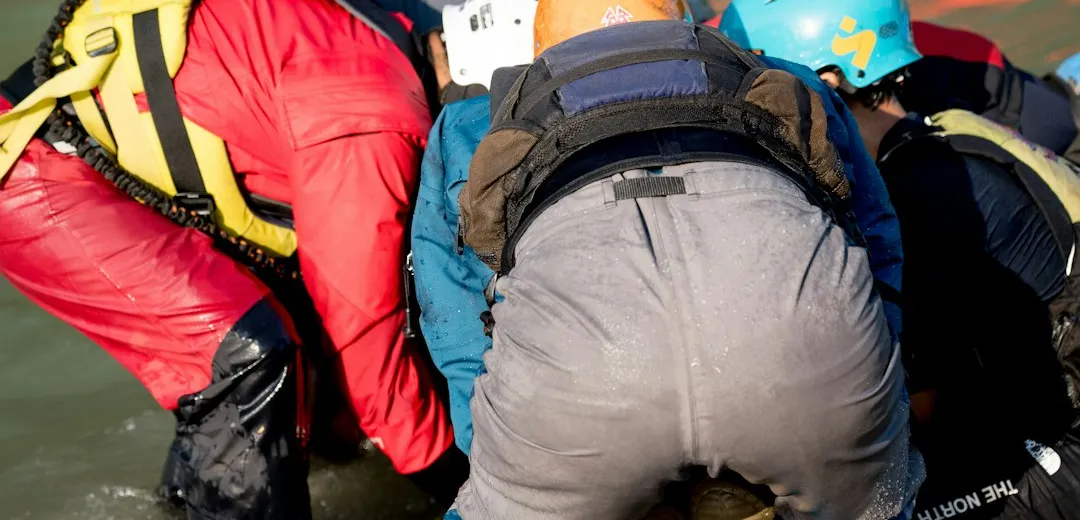
You’re standing at the boat launch on a crisp March morning. Air temperature reads 55°F, the sun is out, and you’ve dressed in layers. What could go wrong? Here’s what most paddlers don’t realize: that same water you’re about to enter has been cold all winter. It won’t warm up to safe temperatures for months yet. In fact, water temperatures in early spring often hover between 35°F and 45°F—cold enough to kill you in minutes, regardless of how warm the air feels.
Cold water immersion is the leading cause of kayaker fatalities in temperate climates. It’s not drowning in the traditional sense—it’s the rapid shutdown of your body’s systems when hit by frigid water. Understanding this danger isn’t optional knowledge for paddlers; it’s essential. In this guide, you’ll learn the science behind cold water immersion, recognize the warning signs your body sends, and know exactly what gear and protocols keep you safe when the water temperature drops below 60°F.
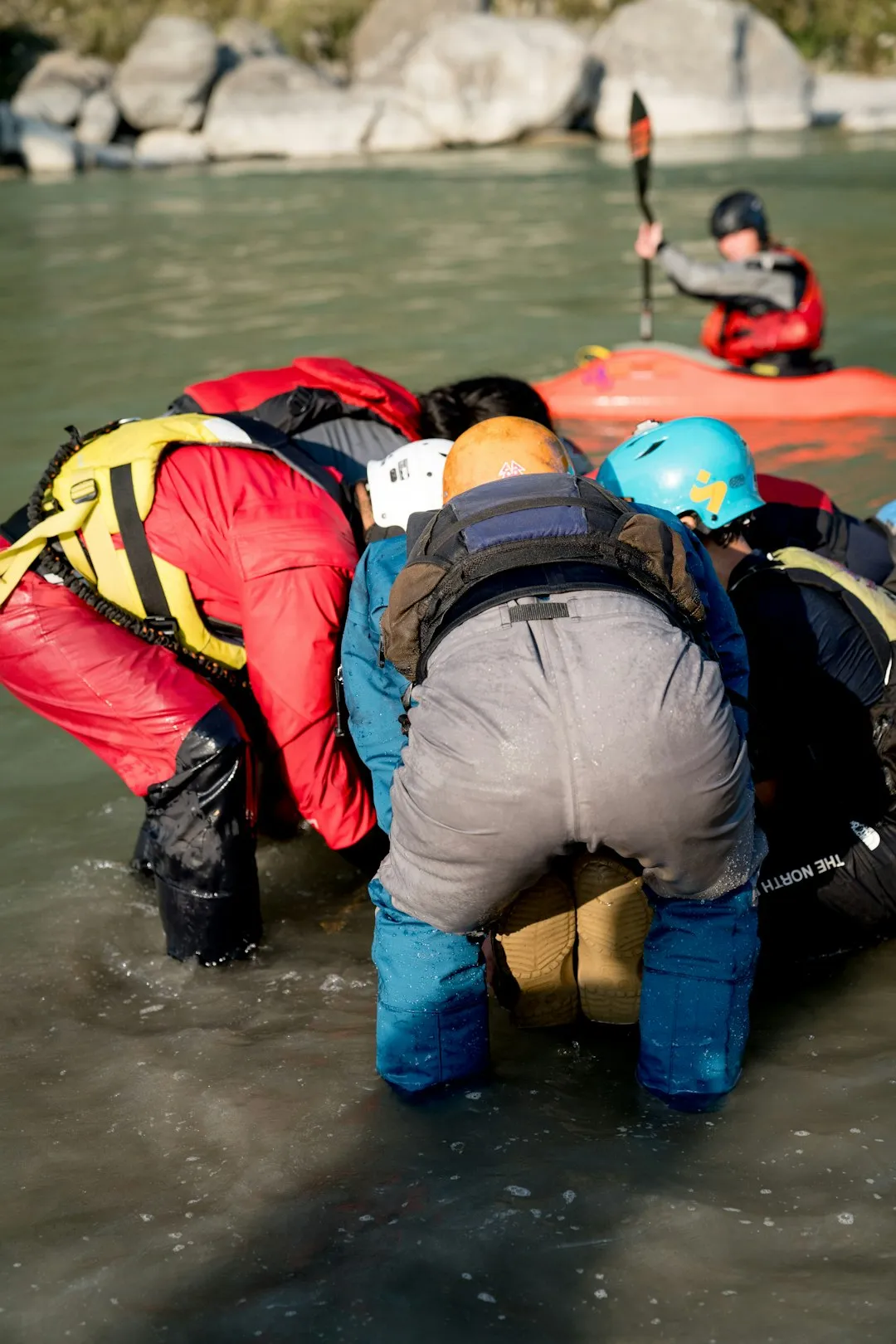
The Cold Truth: Why Cold Water Immersion Kills Kayakers
What Is Cold Water Immersion?
Cold water immersion occurs when your entire body—face, torso, limbs—submerges suddenly in water below 60°F (15°C). This is fundamentally different from gradual cooling or swimming in cold water over time. The sudden, full-body contact with cold water triggers immediate, life-threatening physiological responses that even the strongest swimmers cannot fight through.
Kayakers face heightened risk because of how we interact with water. Most paddlers wear spray skirts, which trap them inside the cockpit. When a kayak capsizes, a paddler may be underwater for several seconds before executing a roll or performing a wet exit. Even experienced kayakers have drowned when cold shock hit before they could react. If you’re still building your foundational skills, review our essential pre-launch safety checklist before venturing into cold conditions.
The key distinction: cold water immersion is an emergency that begins the moment your body hits the water. You don’t have time to acclimate or adjust. Your survival window is measured in minutes, not the hours you might survive in cold air.
The Three Stages of Cold Water Danger
Understanding the progression of cold water immersion helps you recognize what’s happening to your body—and why every second counts.
Stage 1: Cold Shock (0–3 Minutes)
The moment your skin contacts cold water, your autonomic nervous system takes over. You gasp involuntarily, your heart rate spikes dramatically, and breathing becomes rapid and uncontrolled. This cold shock response can cause drowning even in shallow water if you inhale water during that initial gasp reflex.
Blood pressure surges as your body constricts peripheral blood vessels to protect core organs. For paddlers with underlying heart conditions, this cardiac stress can trigger immediate cardiac arrest. According to the U.S. Coast Guard’s boating safety statistics, approximately 20% of cold-water drowning deaths occur within the first minute—before any meaningful body cooling has occurred.
Stage 2: Swim Failure (3–15 Minutes)
After the initial shock passes, your body redirects blood flow to your core, leaving your limbs increasingly oxygen-deprived. This progressive loss of muscle function follows what researchers call the “use it or lose it” principle: your ability to swim, grip your paddle, or self-rescue diminishes rapidly, often faster than you expect.
Grip strength deteriorates first—sometimes within three to five minutes. That paddle you’ve been gripping confidently? In 40°F water, you may lose the ability to hold it in under five minutes. Swimming ability fades next, even for accomplished swimmers. Finally, manual dexterity and fine motor control disappear, making simple tasks like releasing a spray skirt or operating a quick-release PFD harness nearly impossible. Understanding paddle grip techniques and practicing hand positioning becomes critical in cold conditions.
Stage 3: Hypothermia (15–60+ Minutes)
Once core body temperature drops below 95°F (35°C), true hypothermia sets in. Mental confusion, slurred speech, and impaired judgment replace coherent thinking. Victims often stop shivering as their bodies exhaust this heat-generating mechanism. Cardiac arrhythmias become likely, and consciousness may be lost.
The rate of hypothermia depends on water temperature, body fat percentage, and whether the victim is wearing insulating gear. In water below 40°F, a paddler without a dry suit may lose consciousness within 15–30 minutes. Even with a wetsuit, survival time in extreme cold is limited. This underscores why choosing the right kayak and gear for your conditions matters enormously.
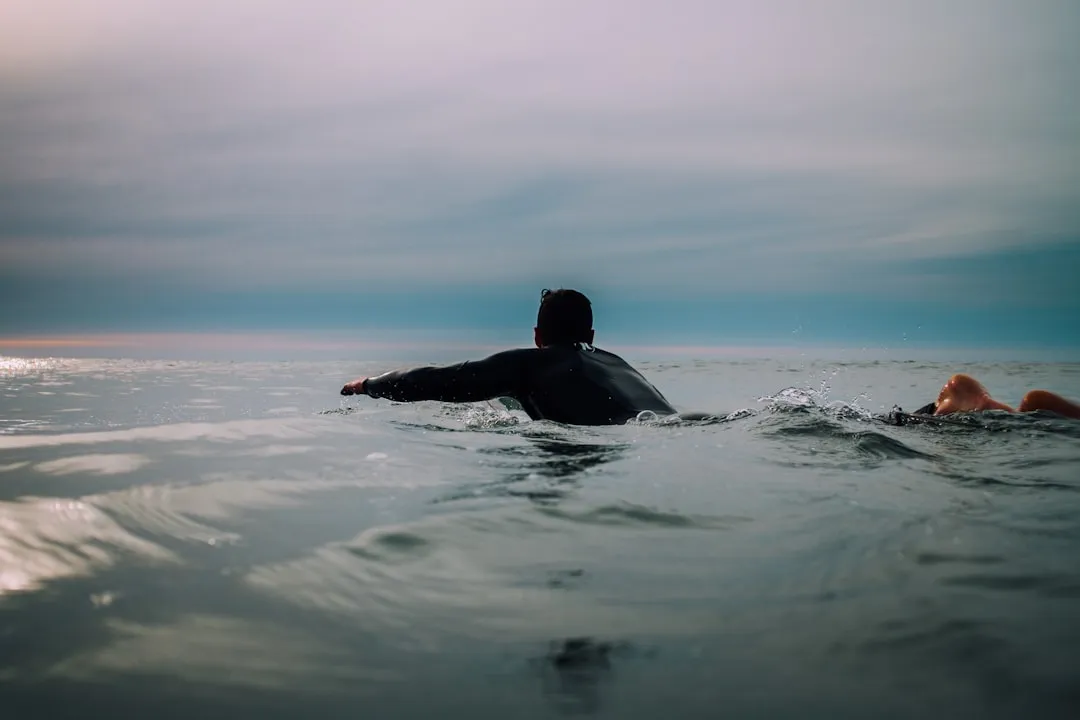
Water Temperature Thresholds Every Kayaker Must Know
Water temperature—not air temperature—determines your risk level. Use this table to assess conditions before every paddling trip:
| Water Temp | Danger Level | Required Gear | Estimated Survival Time (No Protection) |
|---|---|---|---|
| **Below 40°F (4°C)** | Extreme | Full immersion suit (drysuit mandatory), hood, gloves, booties | 15–45 minutes |
| **40–50°F (4–10°C)** | High | Drysuit with proper layering, pogies or gloves, booties | 30–60 minutes |
| **50–60°F (10–15°C)** | Serious | Drysuit highly recommended; wetsuit minimum | 1–3 hours |
| **60–70°F (15–21°C)** | Moderate | Wetsuit recommended for extended immersion | 2–6 hours |
| **Above 70°F (21°C)** | Low | Standard paddling attire | Prolonged |
Recognizing Cold Water Immersion Symptoms and Danger Signs
Cold Water Shock Symptoms (First 1–3 Minutes)
The moment your body hits cold water, a cascade of automatic responses fires immediately:
The Involuntary Gasp. Within 3–15 seconds of immersion, you’ll experience a sudden, uncontrollable gasp reflex. This is your body’s attempt to take in maximum air before the diving response kicks in. If your face is submerged when this happens—or if panic causes you to inhale water—you’ll drown before you even realize what’s happening.
Hyperventilation. Breathing rate increases 6–10 times normal levels for 1–3 minutes. This makes it nearly impossible to hold your breath or perform controlled breathing. Many paddlers swallow water during this phase. Learning how to read water conditions helps you anticipate scenarios where you might need to hold your breath.
Cardiac Stress. Heart rate can jump from 70 beats per minute to 180 or higher within seconds. For paddlers with coronary artery disease, arrhythmias, or high blood pressure, this can trigger sudden cardiac arrest. Even healthy individuals may experience palpitations and chest discomfort.
Real scenario: A paddler launches in March on a lake where air temperature is 58°F. She doesn’t realize the water is 39°F. Upon capsizing during a wind gust, she inhales water during the cold shock gasp reflex. Within 20 seconds, she’s submerged. She never had a chance to execute her roll or reach for her spray skirt release. This is precisely why mastering wet exit techniques and roll skills are non-negotiable for cold water paddlers.
Swim Failure Signs (3–15 Minutes)
After cold shock subsides, you might feel temporarily better. Don’t be fooled. This is when swim failure begins, often before you’ve even tried to swim to safety.
Loss of Limb Coordination. Peripheral vasoconstriction (blood vessels constricting in your arms and legs) means your muscles receive less oxygen. Even strong swimmers experience rapid loss of power. The US Navy’s research shows that grip strength can decrease by 50% within 1–2 minutes of cold water immersion.
Loss of Motor Control. Fine motor skills disappear first—you can’t button a jacket, zip a bag, or operate small hardware. Gross motor skills follow: swimming, paddling, and self-rescue become increasingly difficult. Practicing forward stroke technique until it’s muscle memory gives you a better chance of executing it when your body is compromised.
Cognitive Impairment. Decision-making suffers before you notice. You may forget your rescue plan, make poor choices about energy expenditure, or lose awareness of how long you’ve been in the water. This is why having a buddy system and communication protocols is critical.
| Water Temperature | Time to Swim Failure (Average) | Time to Loss of Grip |
|---|---|---|
| 32–41°F (0–5°C) | 3–5 minutes | 1–3 minutes |
| 41–50°F (5–10°C) | 5–10 minutes | 3–5 minutes |
| 50–60°F (10–15°C) | 10–30 minutes | 5–10 minutes |
| 60–70°F (15–21°C) | 30–60 minutes | 15–30 minutes |
Post-Rescue Collapse: The Hidden Danger After Cold Water Immersion
Here’s a fact that surprises many paddlers: you can die after being rescued. Post-rescue collapse, medically termed circumrescue collapse, occurs when a hypothermic victim is removed from water too quickly or handled improperly.
Why it happens: As peripheral blood vessels dilate suddenly (either from movement, external heat, or horizontal positioning), cold blood from the extremities rushes toward the heart. This can trigger ventricular fibrillation—your heart’s electrical system short-circuits, causing cardiac arrest.
The afterdrop phenomenon: Your core temperature can actually continue dropping after rescue as cold blood from your extremities circulates back to your heart. A victim who appears stable can collapse within minutes of being removed from water.
Critical protocols: Keep rescued victims horizontal. Do not allow them to stand or sit upright. Minimize movement. Remove wet clothing gently and insulate immediately. Do not actively rewarm extremities before the core—focus on the torso, neck, and head. For comprehensive rescue procedures, study our essential kayak rescue techniques.
Essential Gear for Cold Weather Paddling: Dry Suits, Layers, and Safety Equipment
Dry Suits vs. Wetsuits for Cold Water Kayaking: What Actually Works
For paddling in water below 60°F, dry suits are the only serious option. Wetsuits are designed for gradual cooling in warm water—they won’t save you from cold water immersion.
How dry suits work: A dry suit creates a waterproof barrier between you and the water. Your body heat warms a layer of air trapped inside the suit. With proper dry suit layering, you stay dry and can add insulating layers beneath for warmth. For a complete comparison of dry suits versus wetsuits, including which works best in various conditions, see our dedicated guide.
Why wetsuits fail in cold water: Wetsuits function by trapping a thin layer of water against your skin, which your body warms. This process takes time and works well in 60–70°F water. In 40°F water, that initial shock overwhelms the wetsuit’s limited protection, and the cold water flushes through neoprene seams. You lose body heat too rapidly to maintain core temperature.
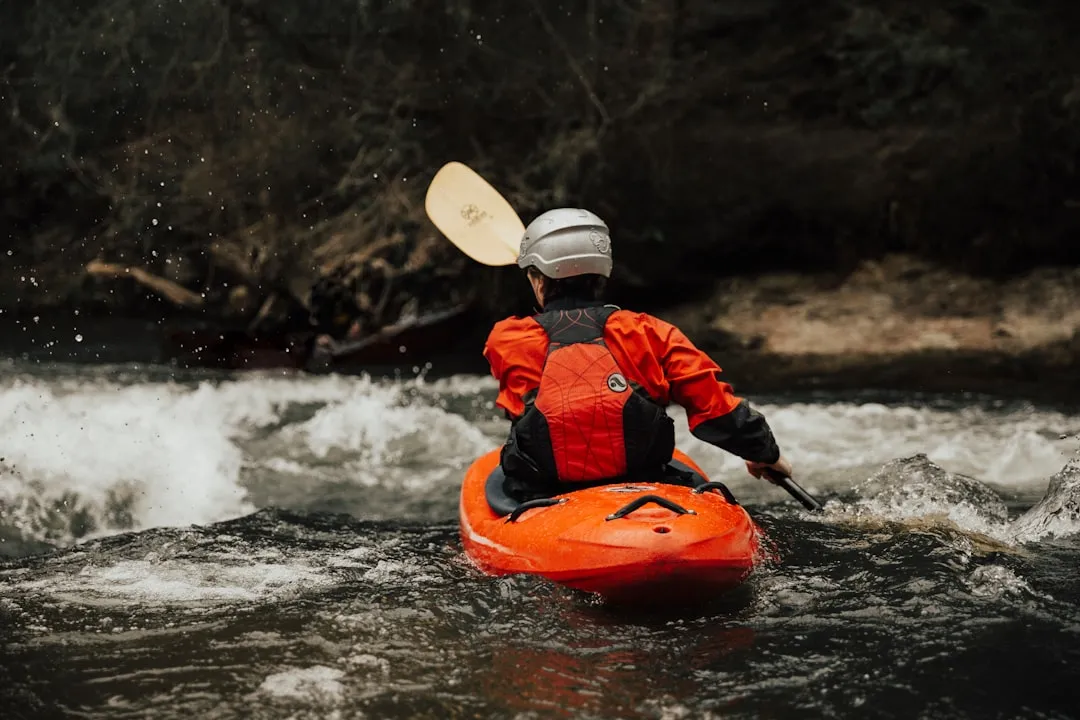
Key features for paddling dry suits:
- Tamper-proof relief zipper: Essential for multi-hour trips
- Integrated booties vs. separate: Integrated reduces water entry points
- Gasket quality: Neck and wrist gaskets should be made from breathable, latex-free material if you have sensitivities
- Material durability: GORE-TEX and similar membranes offer best breathability-to-protection ratio
Our recommendations for paddling dry suits:
| Brand | Model | Best For | Price Range |
|---|---|---|---|
| **Kokatat** | Meridian Drysuit | Sea kayakers, expedition use | $$$ |
| **Immersion Research** | Gauntlet Drysuit | Whitewater, active paddling | $$$ |
| **NRS** | Bailout Drysuit | Value, beginners | $$ |
| **Stoic (REI)** | Breathable Drysuit | Budget-conscious paddlers | $$ |
Beyond the Drysuit: Layering Systems, Gloves, and Booties for Cold Water Paddling
Your dry suit is just the foundation. What you wear underneath—and on your extremities—determines how long you can paddle comfortably and survive in an emergency.
Base layers: Avoid cotton entirely. Cotton holds moisture and rapidly conducts heat away from your body when wet. Choose synthetic moisture-wicking fabrics or merino wool. For moderate conditions (50–60°F water), a lightweight polyester base layer suffices. Below 50°F, add a mid-layer fleece or puffy jacket. Learning how to layer properly is crucial for cold weather comfort and safety.
Hand protection: Pogies (mitten-style paddle gloves) that attach to your paddle offer the best warmth-to-functionality ratio for most paddlers. For technical paddling requiring finger dexterity, look at cold weather kayaking gloves with attached paddle grips. Your choice of paddle accessories directly impacts your ability to maintain control in cold conditions.
Foot protection: Neoprene booties fit under your dry suit’s integrated booties for additional warmth. For extreme cold, add wool sock liners. The key is preventing wet feet from conducting heat—neoprene and wool both insulate when wet. Consider how kayak storage and maintenance affects your gear’s performance in cold conditions.
Head protection: You lose 40–50% of body heat through your head. A neoprene hood or beanie is non-negotiable below 50°F water temperature. Look for designs that cover your ears and neck. This is one of the most overlooked aspects of paddling gear for beginners.
PFDs and Visibility in Cold Conditions
Cold weather changes how your PFDs should function. Standard summer PFDs may not accommodate bulkier layering, and cold-stiffened fingers struggle with complex buckles.
Cold-weather PFD requirements:
- Size up: Your PFD must fit over your dry suit and mid-layers. Most paddlers need to size up one or two sizes from their summer PFD.
- Simple closures: Look for PFDs with fewer, larger buckles. Side-entry designs with single buckles are easier to operate with cold hands than front-entry with multiple clips.
- Reflective patches: Essential for spring and fall paddling when days are shorter and visibility is reduced
- Whistle attachment: US Coast Guard regulations require a sound-producing device. Many PFDs include built-in clips.
For options designed for cold weather use, review our sea kayaking versus lake kayaking guide, which covers appropriate gear for different paddling environments.
Safety Accessories: Knives, Flares, and Communication Devices for Cold Water Emergencies
Cold conditions increase entanglement risks (loose straps, excess cordage becomes hazardous when you’re numb) and decrease your ability to communicate problems.
Essential cold-water safety accessories:
- Rescue knife: A titanium-blade rescue knife with line-cutting edge and rounded tip. Mount within reach of both hands. Practice one-handed deployment until it’s automatic.
- Flares: Carry both handheld flares and signal smoke. US Coast Guard requires visual distress signals for offshore paddling; carry them in cold conditions regardless of waterway.
- Communication device: Waterproof VHF radio or personal locator beacon (PLB). Cell phones fail in cold water and wet conditions.
- Throw bag: Even if you don’t plan to swim, having a rescue rope accessible can save a partner.
Proper use of safety accessories could save your life—or your paddling partner’s.
Cold Weather Paddling Checklist: Pre-Trip, On-Water, and Post-Paddle Safety Protocols
Pre-Trip Preparation for Cold Water Paddling
Before you leave home, verify each of these items:
Weather and water assessment:
- Check water temperature (NOAA gauges or local sources)
- Review air temperature forecast for duration of trip
- Assess wind speed and direction
- Note sunrise/sunset times (shorter days = less margin for error)
- Identify emergency exit points along your route
- Consult NOAA National Weather Service for marine forecasts
Gear inspection:
- Dry suit gaskets inspected for cracks or dryness
- Zippers tested and lubricated
- PFD properly sized for dry suit layers
- Rescue knife accessible and deployment tested
- Communication device charged and waterproof case sealed
- Flares/strobe within expiration date
Float plan:
- Leave itinerary with someone who will call for help if you don’t return
- Confirm cell coverage along route
- Identify nearest emergency services location
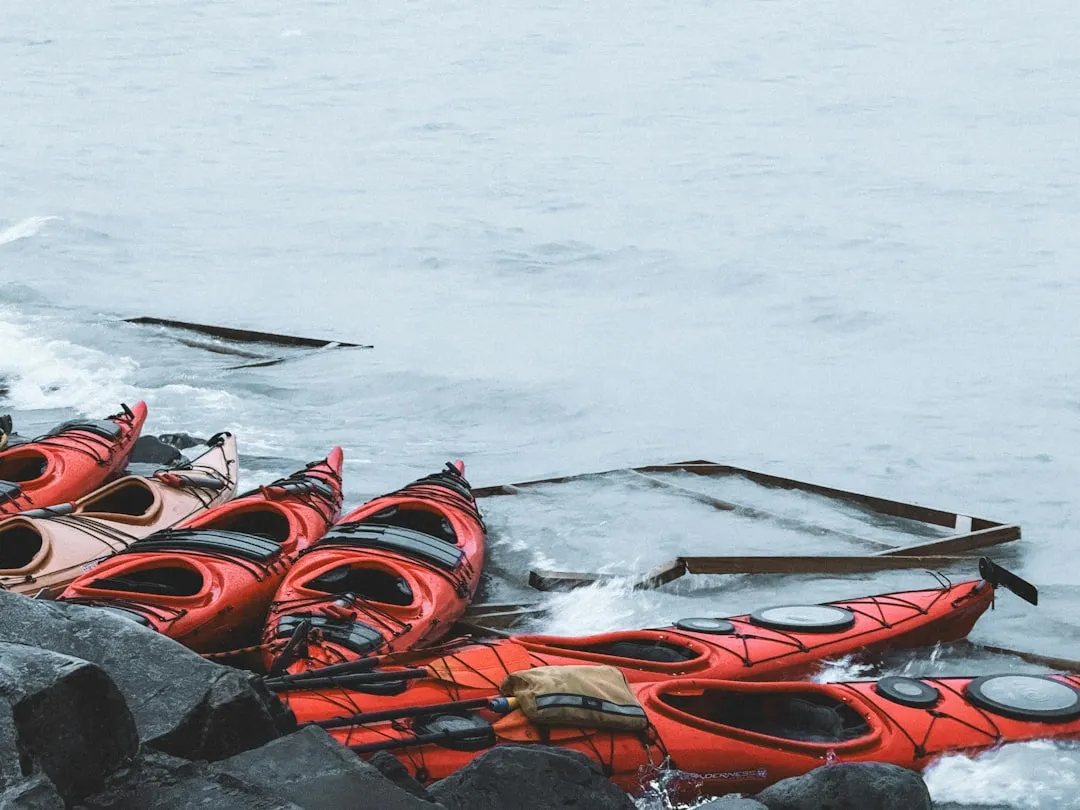
Before heading out, make sure you’ve completed our comprehensive safety checklist and reviewed what to know before your first trip.
On-Water Safety Protocols for Cold Water Paddling
Buddy system: Never paddle alone in cold water. Maintain visual contact with your partner. Agree on signals for distress. If you’re introducing family to paddling, review our guide to family kayaking for appropriate precautions.
Conservative decision-making: If conditions deteriorate, turn back early. You have less margin for error in cold water. Rules that apply:
- If wind exceeds 15 knots, reconsider launching
- If air temperature will drop below 40°F during your paddle, pack emergency insulation
- If you capsize, execute your roll or wet exit immediately—don’t struggle in cold water
Monitor yourself and partners: Watch for early signs of cold stress: uncontrolled shivering, slurred speech, fumbling with simple tasks, or complaints of being “uncomfortable.” These are warnings—act on them before hypothermia sets in. Understanding how height and weight affect kayaking can also help you assess personal risk factors.
Post-Paddle Hypothermia Monitoring and Recovery
Even after you leave the water, hypothermia risk continues. Your core temperature can remain depressed for hours after cold exposure.
Immediate post-paddle protocols:
- Remove wet clothing immediately upon reaching shore
- Change into dry layers before getting chilled
- Replace wet socks and gloves
- Eat warm food and drink warm (not hot) fluids
- Stay active to generate body heat
Watch for delayed symptoms: If you or a paddling partner experiences confusion, extreme fatigue, or shivering that won’t stop after rewarming, seek medical attention immediately. Consider year-round kayak storage and maintenance practices that keep your gear ready for the next cold weather outing.
Emergency Response: Cold Water Kayak Rescue Techniques
Self-Rescue in Cold Water: What to Do If You Capsize
If you capsize, your priority is getting out of the water immediately. Every second counts.
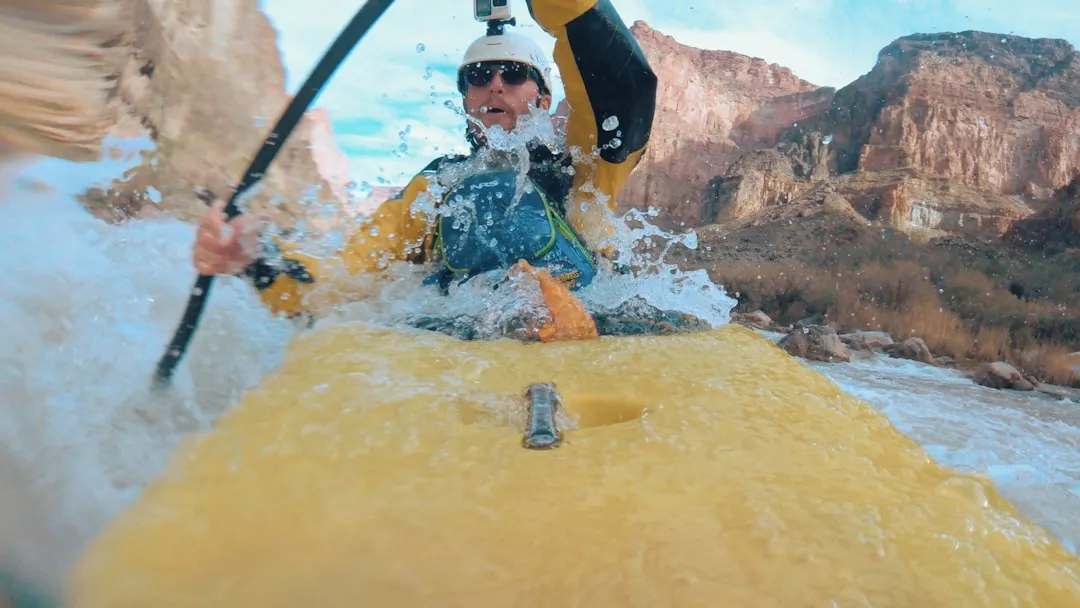
Roll or wet exit: Execute your roll if trained and confident. If you can’t complete the roll within 5 seconds, wet exit—don’t struggle. Reach for your spray skirt release and push away from the kayak. If you haven’t learned the kayak roll yet, focus on perfecting your wet exit and self-rescue techniques.
Get to shore or your boat: Swim toward the nearest shore, a floating object, or your capsized kayak if it provides floatation. A swamped kayak provides some floatation—grab the far end and kick toward shore.
Dress for immersion, not just for paddling: Before your trip, establish what equipment you need after you swim. Where is your paddle float? Your spare dry clothes? Your communication device? Having these accessible in a swim scenario is critical. Practicing essential kayak rescue techniques regularly prepares you for these scenarios.
Assisting a Fellow Paddler in Cold Water: Rescue Protocols
If your partner is in the water and struggling, follow these rescue protocols:
1. Establish communication. Call out and confirm they can respond. A confused paddler may not recognize their own danger.
2. Position your kayak between them and open water. Your boat provides a barrier and a floatation platform. Approach from downstream or downwind if current/wind applies.
3. Use reach, not throw. Extended paddles, boat hooks, or your own arm can pull a swimmer toward your kayak. Enter the water only if absolutely necessary and only if you’re both wearing dry suits.
4. Guide them to the boat. Instruct them to grab the far end of your kayak. Help them work their way to the stern where you can assist them back on their boat or signal for additional help.
5. Don’t pull them on top of your kayak. A panicked paddler climbing onto your boat can capsize you both. Keep them in the water, stabilized against the hull, until help arrives or they recover enough to assist in their own rescue.
For detailed rescue procedures, review our comprehensive guide to essential kayak rescue techniques.
When and How to Call for Help in Cold Water Emergencies
Call early, not when you’re desperate. If conditions are deteriorating, a paddler is struggling, or you’re uncertain about finishing the paddle safely—call for help immediately.
How to call:
- 911: For immediate life-threatening emergencies
- VHF Channel 16: Connects you to Coast Guard and other vessels
- Personal locator beacon (PLB): Activates Search and Rescue response. Carry one in cold water conditions.
What to say: “Mayday, mayday, mayday. This is [your name/vessel]. We are [location description]. [Number] paddlers in the water, suspected hypothermia, need immediate assistance.”
Frequently Asked Questions About Cold Water Immersion and Kayaking Safety
What water temperature is dangerous for kayaking?
Any water below 60°F (15°C) poses significant risk of cold water immersion. Below 50°F (10°C), the danger becomes extreme—dry suits are mandatory, and immersion for more than a few minutes without flotation gear can be fatal. For more on appropriate gear for different conditions, see our beginner’s guide to kayaking destinations.
Can you survive cold water immersion without a drysuit?
Yes, but survival time is dramatically shortened. In 50°F water, you might have 30–60 minutes before swim failure. In 40°F water, you may have less than 15 minutes. A dry suit extends survival time and gives you the mental clarity to execute self-rescue.
How long can you survive in cold water?
Survival depends on water temperature, your body composition, and whether you’re wearing insulation. In water below 40°F without protection, consciousness may be lost within 15–30 minutes. With a properly worn dry suit, you can survive for hours—but the goal is always to avoid immersion entirely. Understanding kayak fishing safety tips can provide additional context for extended water exposure scenarios.
Should I wear a wetsuit for kayaking in 50°F water?
No. Wetsuits are inadequate protection below 60°F. At 50°F, a wetsuit will flush with cold water and you’ll lose body heat rapidly. Invest in a proper dry suit for these conditions. Our guide to choosing kayaking gear covers the essential equipment you need.
Final Thoughts: Respect the Water, Not the Cold
Cold water paddling offers incredible experiences—quiet rivers under frosty morning skies, uncrowded lakes in late autumn, the meditative rhythm of a winter paddle. But the water doesn’t care about your experience level or your goals. It responds only to physics and physiology.
The good news: cold water immersion is entirely preventable with proper preparation, appropriate gear, and conservative decision-making. Check the water temperature before every trip. Wear a dry suit when the water is below 60°F. Never paddle alone in cold conditions. And if you see someone struggling, act immediately.
Kayaking is a sport that rewards preparation. When you respect the water’s power while trusting your skills and gear, you give yourself the best chance to come home safely—every time.
Ready to gear up for cold water paddling? Review our complete gear checklist for spring paddling season and never miss a critical safety item.
Related Articles:
- Essential kayaking safety checklist - the essential pre-launch protocol 2026
- Essential kayak rescue and recovery techniques
- How to get in and out of a kayak without tipping
- 10 essential kayaking gear you shouldn’t leave home without
- Complete guide to kayak paddles: materials, sizes, and shapes
- Mastering the kayak roll: Step-by-step guide for beginners
- How to read water: A beginner’s guide to currents and conditions
- Mastering the forward stroke: How to paddle your kayak like a pro 2026
- Sea kayaking vs. lake kayaking: Key differences
- Best paddling destinations for spring 2026