Choosing your first kayak can feel overwhelming. You walk into a big-box store or browse online, and suddenly you’re drowning in terminology: sit-in, sit-on-top, chines, tracking, primary stability, and polyethylene.
We’re here to cut through the noise. You don’t need a $2,000 expedition sea kayak to get started, but you also shouldn’t buy a pool toy disguised as a boat. We’ve tested dozens of entry-level kayaks on lakes, slow rivers, and coastal bays to narrow down the absolute best kayaks for beginners in 2026.
Our picks prioritize stability, durability, and value for money. Whether you want to fish, take the kids out, or just enjoy a quiet morning on the lake, here are the best beginner kayaks you can buy right now.
Quick Picks — Best Beginner Kayaks at a Glance
| Kayak Model | Price Level | Type | Best For | Our Rating |
|---|---|---|---|---|
| Wilderness Systems Pungo 120 | $$$ | Sit-In | Best Overall Performance | ⭐⭐⭐⭐⭐ |
| Perception Swifty 9.5 | $ | Sit-In | Absolute Beginners / Budget | ⭐⭐⭐⭐ |
| Pelican Argo 100XR | $$ | Sit-On-Top | Warm Water & Fishing | ⭐⭐⭐⭐ |
| iRocker NAUTICAL | $$ | Inflatable | Apartments & Small Cars | ⭐⭐⭐⭐ |
| Ocean Kayak Malibu Two | $$$ | Tandem | Couples & Families | ⭐⭐⭐⭐½ |
What to Look for in a Beginner Kayak (Buying Guide)
Before we dive into the reviews, it helps to understand why we chose these kayaks. When you’re learning how to paddle efficiently, the right boat makes all the difference. If you’re wondering whether your height or weight matters when kayaking, we’ve got answers for that too.

Sit-In vs. Sit-On-Top
Sit-in kayaks have a cockpit that you slide into. They keep your lower body dry and out of the wind, making them better for cooler weather. Sit-on-top kayaks are open. You sit on top of the deck. They are practically impossible to sink, incredibly easy to get in and out of, and perfect for warm weather, fishing, and nervous beginners.
For a deeper dive into the differences, check out our Sea Kayaking vs Lake Kayaking comparison.
If you’re still figuring out how to get in and out of a kayak without tipping, check out our guide on entering and exiting a kayak.
Primary vs. Secondary Stability
“Primary stability” refers to how tippy the kayak feels when you first sit in it on flat water. Beginners want high primary stability. “Secondary stability” is how stable the kayak feels when it’s leaned over on its edge (used by advanced paddlers for turning). All our beginner picks have excellent primary stability.
Length and Weight
A shorter kayak (9 to 10 feet) is easier to turn, easier to store, and easier to carry. A longer kayak (12+ feet) tracks (goes straight) much better and glides faster. For a first boat, anything between 9.5 and 12 feet is the sweet spot.
Need help reading water conditions? That skill becomes more important as you progress beyond flatwater beginner paddling.
Best Overall Beginner Kayak: Wilderness Systems Pungo 120
When friends ask me what kayak they should buy and their budget allows it, I point them to the Pungo 120. It is arguably the most famous recreational kayak ever made, and for good reason.
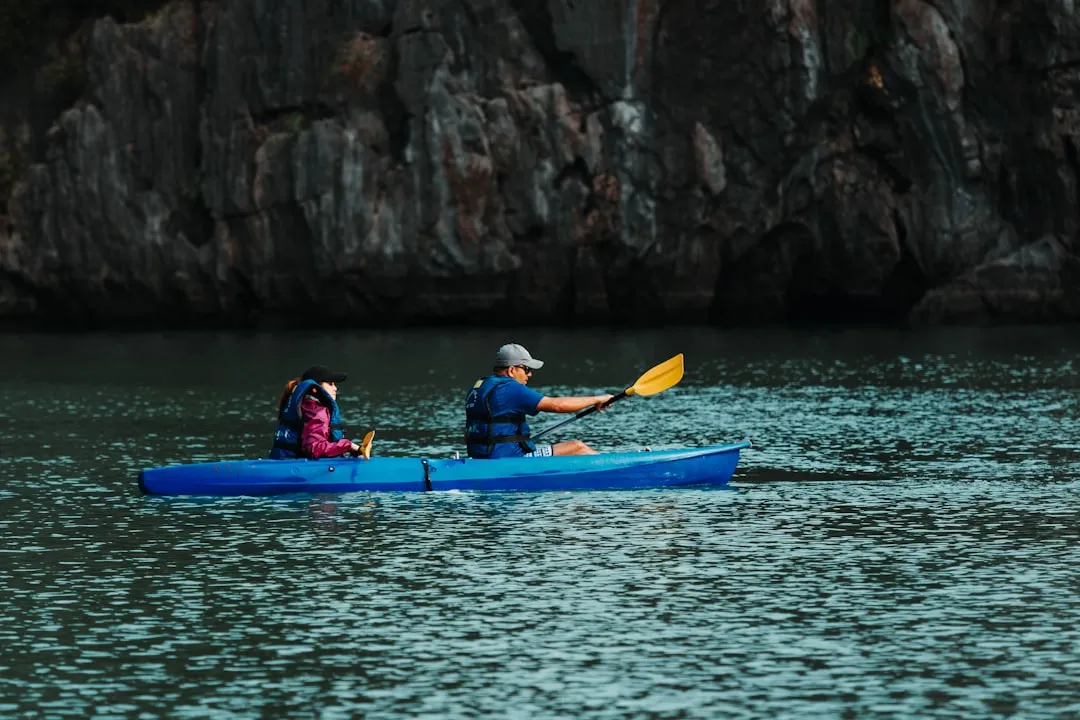
The Pungo strikes a perfect balance. It features a multi-chined hull that provides exceptional primary stability, so you never feel like you’re going to flip. But unlike cheaper budget boats, it actually tracks straight and glides beautifully through the water. The Phase 3 AirPro seating system is also the most comfortable kayak seat on the market—you can easily sit in this boat for 6 hours without back pain.
Specs:
- Type: Sit-In (Recreational)
- Length: 12’ 2”
- Weight: 49 lbs
- Capacity: 325 lbs
Pros:
- Incredibly comfortable, highly adjustable seat
- Tracks straight and glides fast for a rec boat
- Large cockpit makes it easy to get in and out
- Removable dashboard box for phones and snacks
Cons:
- More expensive than basic entry-level boats
- At 12 feet, it requires a proper roof rack to transport
Best Budget Beginner Kayak: Perception Swifty 9.5
If you aren’t sure how often you’ll actually go kayaking and don’t want to drop a thousand dollars, the Perception Swifty 9.5 is your answer.
At 9.5 feet long and only 44 pounds, it is incredibly easy to toss in the back of an SUV or onto a basic roof rack by yourself. It’s highly maneuverable, making it great for narrow rivers or exploring small coves. While it won’t win any races across a large lake, the molded-in seat and basic padding are surprisingly comfortable for trips under 3 hours.
Before you buy, you might want to check out our list of the 10 best beginner kayaking destinations to practice your skills.
Specs:
- Type: Sit-In
- Length: 9’ 6”
- Weight: 44 lbs
- Capacity: 300 lbs
Pros:
- Very affordable
- Lightweight and easy for one person to carry
- Extremely stable on flat water
Cons:
- Doesn’t track perfectly straight
- No dry storage hatches (just a rear tankwell)
Check Current Price on Backcountry
Best Beginner Sit-On-Top Kayak: Pelican Argo 100XR
If you’re paddling in warm weather or you are worried about feeling “trapped” in a sit-in kayak, a sit-on-top is the way to go. The Pelican Argo 100XR is our favorite entry-level SOT.
If you’re unsure whether a sit-on-top or sit-in is right for you, read our sea kayaking vs lake kayaking comparison.
Pelican uses a proprietary RAM-X material that makes their boats incredibly resilient to dragging across rocks, while keeping the weight impressively low (only 43 lbs). The XR version upgrades the standard Argo with a much better ErgoCoast mesh seat, which keeps your back cool and provides actual lumbar support.
Specs:
- Type: Sit-On-Top
- Length: 10’
- Weight: 43 lbs
- Capacity: 300 lbs
Pros:
- Unsinkable, open design is great for nervous beginners
- Mesh seat is breathable and comfortable
- Very lightweight for a sit-on-top
Cons:
- You will get wet (nature of sit-on-tops)
- Slower than sit-in counterparts
Best Inflatable Kayak for Beginners: iRocker NAUTICAL
Not everyone has a garage or a roof rack. If you live in an apartment or drive a small sedan, check out our Inflatable vs Hard-Shell Kayaks comparison. Inflatables have come a long way, and the iRocker NAUTICAL is proof.
For a deeper look at the pros and cons, see our ultimate guide to choosing the right inflatable kayak.
Made from military-grade PVC, this isn’t a pool toy. When inflated to the proper PSI, it feels nearly as rigid as a hard-shell kayak. It comes as a complete package, including the paddle, pump, and a high-quality backpack for transport. It’s incredibly stable, making it a great platform for kids or dogs to jump off of.
Specs:
- Type: Inflatable
- Length: 11’ 6”
- Weight: 33 lbs (boat only)
- Capacity: 400 lbs
Pros:
- Packs down into a backpack
- Comes with all necessary accessories
- Extremely high weight capacity and stability
Cons:
- Takes 10-15 minutes to pump up
- Susceptible to being blown around in high winds
Best Beginner Tandem Kayak: Ocean Kayak Malibu Two
If you want to paddle with a partner (or a large dog), a tandem sit-on-top is your best bet. The Ocean Kayak Malibu Two is legendary for its durability and versatility.
One of the best features of this kayak is that the seats can be reconfigured. You can paddle it tandem, or move a seat to the middle to paddle it solo. It’s incredibly stable, making it a great platform for swimming from or introducing kids to the water.
If you plan to bring the kids along, our parent’s handbook for introducing children to paddling is a great resource.
Specs:
- Type: Tandem Sit-On-Top
- Length: 12’
- Weight: 57 lbs
- Capacity: 425 lbs
Pros:
- Can be paddled solo or tandem
- Extremely stable for families
- Virtually indestructible hull
Cons:
- Heavy for one person to load onto a car
- Not very fast
Best Beginner Kayak for Fishing: Lifetime Tamarack Angler
You don’t need a $2,000 pedal-drive kayak to start fishing. The Lifetime Tamarack Angler is the undisputed king of budget fishing kayaks.
It comes with two flush-mounted rod holders and one adjustable rod holder. The flat hull provides enough stability to cast comfortably, though standing isn’t recommended for beginners. The seat is basic, so you might want to upgrade it if you plan on all-day fishing trips, but for the price, it gets you on the fish.
For more fishing tips, read our complete Kayak Fishing for Beginners guide.
For additional tips, see our kayak fishing tips for beginners.
Specs:
- Type: Sit-On-Top (Fishing)
- Length: 10’
- Weight: 52 lbs
- Capacity: 275 lbs
Pros:
- Includes rod holders out of the box
- Incredible value for the price
- Very stable for casting
Cons:
- Seat pad is thin
- Tracking is mediocre in wind
Best Premium Beginner Kayak (Best Upgrade Pick): Riot Enduro 12
If you know you love kayaking and want a boat that you won’t outgrow for years, the Riot Enduro 12 is a fantastic transitional kayak. It bridges the gap between recreational boats and true touring kayaks.
It features a drop-down skeg (a fin that helps you track straight in the wind) and two sealed bulkheads for dry storage. It’s fast, cuts through waves beautifully, and still offers enough primary stability that a beginner won’t feel nervous.
Specs:
- Type: Sit-In (Day Touring)
- Length: 11’ 8”
- Weight: 59 lbs
- Capacity: 350 lbs
Pros:
- Drop-down skeg for excellent tracking
- Two dry storage compartments
- Fast and efficient glide
Cons:
- Heavier than basic recreational boats
- Higher price point
Honorable Mentions for Beginners
Old Town Vapor 10: A fantastic mid-range sit-in with a massive cockpit. Great for larger paddlers or those who want to bring a small dog.
Intex Explorer K2: The absolute cheapest way to get on the water. It’s a pool toy compared to the iRocker, but it works for occasional calm lake days.
Dagger Axis 10.5: A brilliant crossover kayak if you plan to mix flatwater lakes with mild moving river currents.
If you’re just getting started, make sure you also have the 10 essential kayaking gear items you shouldn’t leave home without.
Kayak Accessories You’ll Actually Need
Buying the kayak is only step one. Here is the mandatory gear you need before you hit the water:
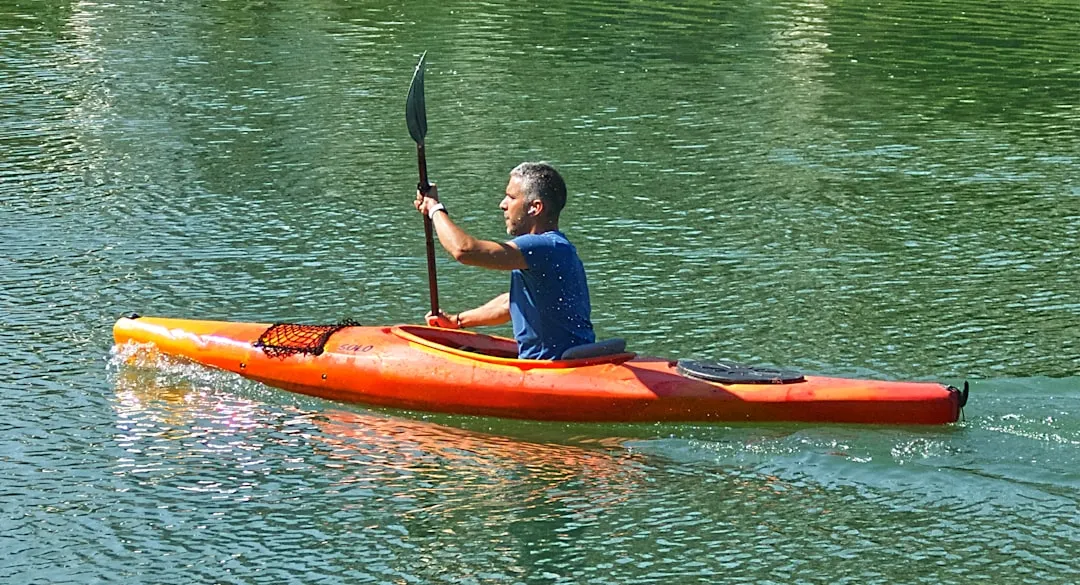
- A Quality PFD (Life Jacket): Never paddle without one. For safety standards and recommendations, see the American Canoe Association’s life‑jacket safety page. Read our Essential Kayak Safety Checklist for more details. We recommend the NRS Ninja.
- A Proper Paddle: Don’t use a heavy aluminum paddle. Spend a little extra on a fiberglass or carbon shaft paddle like the Aqua-Bound Manta Ray. See our Complete Guide to Kayak Paddles.
- Dry Bag: For your phone, keys, and an extra layer.
- Bilge Pump & Paddle Float: Essential safety gear if you are paddling on open water or the ocean. For more information, see the BoatUS safety guide.
For year‑round care, learn how to store and maintain your kayak properly.
Frequently Asked Questions
What size kayak do I need as a beginner?
For recreational flatwater paddling, a kayak between 9.5 feet and 12 feet is ideal for beginners. 10‑foot kayaks are highly maneuverable and easy to transport, while 12‑foot kayaks track straighter and glide faster across open water.
Is a sit‑in or sit‑on‑top kayak better for beginners?
Both are great. Sit‑on‑top kayaks are generally preferred by beginners because they feel less restrictive, are incredibly easy to get back onto if you fall off, and are practically unsinkable. Sit‑in kayaks are better for cooler climates as they keep your lower half protected from the elements.
How much should I spend on my first kayak?
A reliable, safe beginner hard‑shell kayak will generally cost between $350 and $800. Avoid sub‑$200 kayaks from big box stores, as they often have terrible tracking (they spin in circles) and uncomfortable seats that will ruin the experience. Looking for more budget options? Check out our 10 Best Beginner Kayaking Destinations to practice before you invest heavily.
For a comprehensive pre‑trip checklist, see our what to know before your first kayaking trip.
Our Verdict
Your first kayak is a ticket to a lifetime of adventure. If you want a boat that you won’t outgrow for years and don’t mind spending a bit more, the Wilderness Systems Pungo 120 is unmatched in comfort and flatwater performance.
If you are on a strict budget, the Perception Swifty 9.5 is a fantastic, lightweight entry point. And if storage is your main constraint, grab the iRocker NAUTICAL Inflatable.
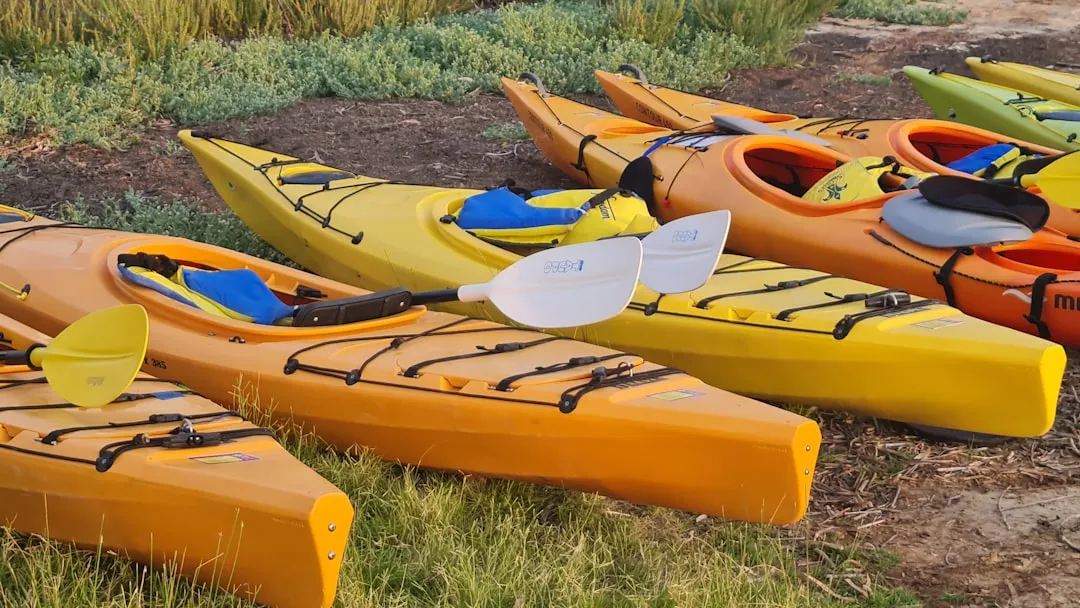
And if you haven’t mastered entering and exiting your kayak yet, practice with our guide to getting in and out of a kayak without tipping.
Now get out there, remember your pre‑launch safety checks, and enjoy the water!