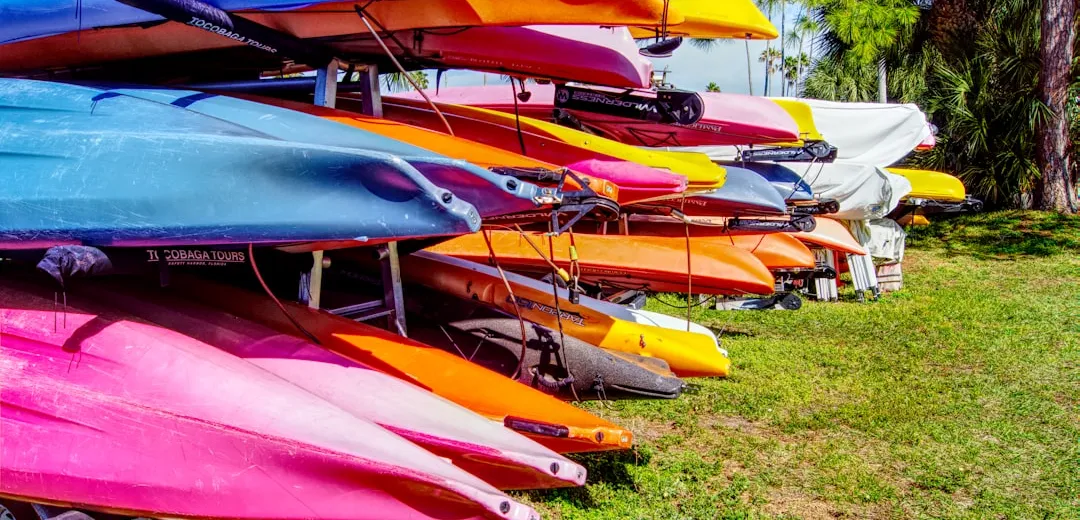
Choosing your first kayak can feel completely overwhelming. You walk into a big-box sporting goods store or start browsing online, and suddenly you’re drowning in industry terminology: sit-in, sit-on-top, chines, tracking, primary stability, and rotomolded polyethylene. It is a lot to take in.
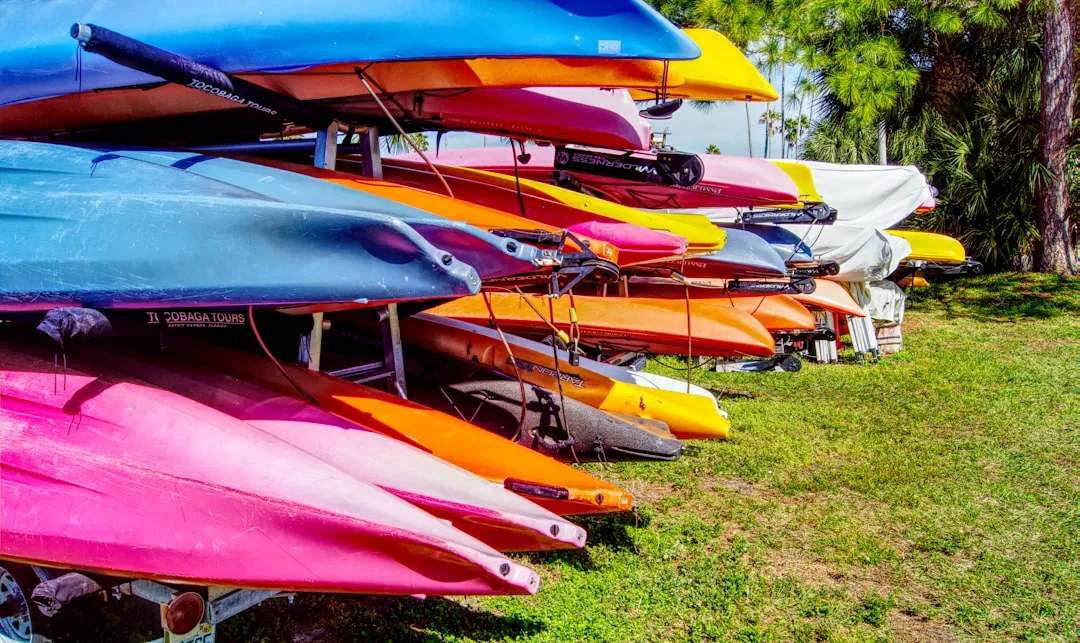
We’re here to cut through the noise. You absolutely don’t need a $2,000 expedition sea kayak to get started in the sport, but you also shouldn’t settle for a glorified pool toy disguised as a boat. Over the past several months, we’ve tested dozens of entry-level kayaks on lakes, slow-moving rivers, and calm coastal bays to narrow down the absolute best kayaks for beginners in 2026.
Our top picks prioritize primary stability (how tippy the boat feels when you first get in), durability (so you don’t have to worry about bumping into rocks), and overall value for your money. Whether your goal is to start kayak fishing, take your kids out for a weekend paddle, or just enjoy a quiet morning solo on your local lake, here are the best beginner kayaks you can buy right now, followed by a deeply comprehensive buying guide to help you understand exactly what you need.
The Best Kayaks for Beginners in 2026: Quick Picks
If you are in a hurry and just want to know what to buy, here is the cheat sheet. We go into deep detail on each of these models further down.
| Category | Top Pick | Best For | Price Range |
|---|---|---|---|
| Best Overall | Wilderness Systems Pungo 120 | Serious beginners wanting to grow into the sport | $$$ |
| Best Budget | Perception Swifty 9.5 | Anyone needing a reliable, cheap starter boat | $ |
| Best Sit-On-Top | Pelican Argo 100XR | Warm weather, easy boarding, and casual paddling | $$ |
| Best Inflatable | iRocker NAUTICAL | Apartment dwellers and those with small cars | $$ |
| Best Folding | Oru Kayak Inlet | Ultimate portability without the pumping | $$$ |
| Best Tandem | Ocean Kayak Malibu Two | Paddling with a partner, child, or large dog | $$ |
| Best for Fishing | Lifetime Tamarack Angler 100 | Budget-conscious kayak anglers | $ |
| Best Premium | Riot Enduro 12 | Advancing beginners looking for superior tracking | $$$$ |
Part 1: Deep Dive into Kayak Types
Before you hand over your credit card, you need to understand the fundamental categories of kayaks. The type of kayaking you plan to do dictates the type of boat you need. There is no such thing as a “perfect kayak for everything”—every design is a compromise between speed, stability, maneuverability, and storage.
1. Recreational Kayaks vs. Touring vs. Whitewater
For 95% of beginners, a recreational kayak is the right choice. Recreational kayaks are typically shorter (9 to 12 feet), wider (28 to 34 inches), and highly stable. They have excellent “primary stability,” meaning they feel rock-solid when you are sitting still on flat water. They are perfect for calm lakes, slow-moving streams, and protected bays. Because they are short, they turn easily, but they don’t track (go straight) as well as longer boats.
Touring kayaks (also known as sea kayaks) are long (14 to 18 feet) and narrow. They are designed to travel long distances efficiently and handle rough water. They have excellent “secondary stability” (they resist rolling over when tipped on edge) but might feel tippy to a complete beginner. Unless you are specifically taking sea kayaking lessons, hold off on a touring boat.
Whitewater kayaks are very short (usually 6 to 8 feet) and highly maneuverable. They are designed to navigate rapids and surf waves. They have virtually no tracking capabilities on flat water and will spin in circles if you try to paddle them across a lake. Only buy a whitewater kayak if you are explicitly learning to run rapids.
2. Sit-In vs. Sit-On-Top (SOT)
This is the biggest decision most beginners face.
Sit-On-Top (SOT) Kayaks: Sit-on-top kayaks are exactly what they sound like. You sit in a molded depression on the deck of the kayak. They are completely sealed and self-bailing (water that splashes in drains out through “scupper holes”).
- Pros: Extremely easy to get in and out of (perfect for those with limited mobility). Very safe, as they won’t fill with water if you capsize; you can just flip them back over and climb back on. Great for fishing, warm weather, and nervous beginners.
- Cons: You are exposed to the elements. You will get wet from paddle drip and small waves. They are generally wider, heavier, and slower than sit-in kayaks.
Sit-In Kayaks: Sit-in kayaks feature a cockpit that you slide your legs into. You sit closer to the water, lowering your center of gravity.
- Pros: You stay much drier and warmer, making them ideal for cold water or shoulder-season paddling. You can brace your knees against the hull for better control and power transfer. They are generally faster and track better than SOTs.
- Cons: Harder to get in and out of. If you capsize without a spray skirt and proper flotation (bulkheads), the hull can fill with water, making recovery difficult. (Note: Most beginner recreational sit-ins have large, open cockpits that are very easy to exit if you tip over).
3. Inflatable Kayaks vs. Folding vs. Hard-Shell
While solid plastic (hard-shell) kayaks are the traditional standard, modern alternatives have revolutionized the sport for people without roof racks or garages.
Solid Plastic (Hard-Shell): Usually made from rotomolded polyethylene. They are incredibly durable—you can drag them over rocks and drop them in parking lots without much worry. However, they are heavy and require a roof rack to transport and a garage or backyard to store.
Inflatable Kayaks: Made from tough PVC or Hypalon. Modern inflatables use drop-stitch technology (similar to inflatable paddleboards) allowing them to be inflated to very high pressures. When fully inflated, they are remarkably rigid. They are incredibly buoyant and stable, and they pack down into a large duffel bag. The downside? They are slower, get pushed around by the wind easily, and require pumping up before every use.
Folding Kayaks: Brands like Oru have popularized the folding kayak, often referred to as “origami kayaks.” Made from corrugated polypropylene, they fold out of a box-like shape into a fully functional kayak in minutes. They track better and are faster than inflatables, but they are generally more expensive and feel less rugged than solid plastic boats.
4. Pedal Kayaks vs. Traditional Paddle Kayaks
Pedal kayaks use a leg-powered drive system (either a bicycle-like propeller or stepping fins) to propel the boat, leaving your hands free. These have become incredibly popular, especially for kayak fishing.
- Pros: Leaves hands free for fishing or photography. Legs are stronger than arms, so you can generally go further with less fatigue.
- Cons: Significantly more expensive (usually starting around $1,500+). The drive systems require maintenance. They are heavier and harder to transport, and the drive system can hit submerged rocks in shallow water. For true beginners learning the mechanics of paddling, we usually recommend starting with a traditional paddle kayak.
Part 2: Comprehensive Beginner Kayak Buying Guide
Once you have decided on the type of kayak you want, you need to evaluate the specific features of individual models. Not all recreational sit-in kayaks are created equal. Here are the critical factors you must consider before purchasing.
1. Material and Weight
The material of your kayak dictates its weight, durability, and price.
- Rotomolded Polyethylene (Solid Plastic): This is the most common material for beginner kayaks. It is essentially hard, molded plastic. It is incredibly tough—it can bounce off rocks, scrape across boat ramps, and withstand years of abuse. The major downside is weight. A 10-foot rotomolded kayak usually weighs between 40 and 50 pounds, while a 12-foot model can push 60 pounds. You must ensure you can lift this weight onto your vehicle’s roof rack. Also, polyethylene is susceptible to UV damage over time, so it must be stored out of direct sunlight to prevent the plastic from becoming brittle.
- Thermoformed Plastic (ABS): This is a step up from rotomolded plastic. It uses sheets of plastic molded over a form. Thermoformed kayaks look glossy (almost like fiberglass), are generally 10-20% lighter than rotomolded boats, and glide slightly better through the water. They are more expensive, however, and while tough, they are slightly more prone to cracking upon hard impacts than rotomolded polyethylene.
- Composite (Fiberglass/Carbon/Kevlar): You will rarely see composite materials in beginner recreational kayaks. They are incredibly light and stiff (which makes them very fast and responsive), but they are expensive and fragile. If you hit a rock hard in a fiberglass boat, it will crack.
- PVC and Hypalon (Inflatables): Modern inflatables use heavy-duty, puncture-resistant PVC. While you should avoid dragging them over sharp oyster shells, they are far more durable than people assume.
2. Capacity and Sizing
Never buy a kayak without checking its weight capacity.
Weight Capacity: A kayak’s listed weight capacity includes the weight of the paddler plus all gear, food, water, and clothing. A crucial rule of thumb in the kayaking world is the 70% Rule. For optimal performance and safety, your total weight (you + gear) should not exceed 70% to 80% of the kayak’s maximum capacity. If you weigh 220 pounds and have 10 pounds of gear, you should look for a kayak with a capacity of at least 325 pounds. If you overload a kayak, it will sit too low in the water, becoming sluggish, hard to steer, and dangerously prone to swamping.
Cockpit Sizing: If you are buying a sit-in kayak, pay attention to the cockpit dimensions.
- Large cockpits (often found on recreational boats) make it very easy to get in and out, and they feel less confining for claustrophobic beginners.
- Small cockpits (found on touring and whitewater boats) allow you to brace your thighs against the hull for better control, and they accommodate spray skirts more effectively to keep water out. Make sure you have enough legroom. Most kayaks have adjustable foot pegs, but very tall paddlers (over 6’2”) often struggle to fit comfortably in kayaks shorter than 10 feet.
3. Tracking vs. Maneuverability
Tracking refers to a kayak’s ability to travel in a straight line. Maneuverability refers to how easily it turns. These two traits are in direct opposition—a boat that tracks perfectly straight is hard to turn, and a boat that spins easily won’t hold a straight line.
- Length: Generally, longer kayaks (12+ feet) track much better and are faster. Shorter kayaks (under 10 feet) are slower and tend to “wag” side to side as you paddle, but they turn on a dime.
- Hull Design: A kayak with a pronounced V-shaped hull will track better than a flat-bottomed hull.
- Skegs and Rudders: To help shorter or wider boats track better, some come equipped with skegs or rudders. A skeg is a fixed or retractable fin under the stern (back) of the boat that acts like the fletching on an arrow, keeping the boat straight. A rudder is mounted on the back and is controlled by foot pedals, allowing you to actively steer the boat and compensate for crosswinds. Most basic beginner kayaks do not have rudders, though some have built-in skegs.
4. Storage Space
If you plan to do anything more than an hour-long paddle, you need storage space.
- Tankwells: Common on sit-on-top kayaks, these are open depressions behind the seat, usually crisscrossed with bungee cords (deck rigging). They are perfect for dropping in a dry bag, a cooler, or fishing tackle.
- Dry Storage Hatches: These are enclosed compartments inside the hull of the kayak, accessed via a sealed lid. Important note for beginners: The hatches on cheap recreational kayaks are rarely 100% waterproof. Always put your valuables (phone, keys, wallet) in a dedicated dry bag before putting them in a kayak hatch.
- Bulkheads: A bulkhead is an internal wall inside the hull that creates the sealed dry storage area. More importantly, bulkheads trap air, providing crucial buoyancy. If a sit-in kayak without bulkheads fills with water, it will sink like a stone. A kayak with front and rear bulkheads will remain afloat even if the cockpit is completely flooded.
5. Comfort and Outfitting
Do not underestimate the importance of a good seat. A cheap, unpadded plastic molded seat will end your paddling day after an hour due to back pain or sciatica.
Look for kayaks with heavily padded seats and adjustable backrests. Many modern sit-on-top kayaks now feature “framed” or “lawn-chair” style seats. These are elevated off the deck (keeping you dry from puddle water) and offer incredible ergonomic support. The only downside is that elevating your seating position raises your center of gravity, which slightly decreases primary stability.
Adjustable foot pegs are also mandatory. Bracing your feet gives you the leverage needed for proper paddling technique (which engages your core rather than just your arms). If your feet are just dangling or resting loosely, you will tire out much faster.
Part 3: Detailed Reviews of the Best Beginner Kayaks (2026)
With a solid understanding of kayak types and features, let’s dive deep into our top recommendations for 2026. We evaluated these based on stability, ease of use, durability, and value.
1. Best Overall for Beginners: Wilderness Systems Pungo 120
If you have a slightly larger budget and want a kayak that you won’t outgrow after your first season, the Wilderness Systems Pungo 120 is the undisputed king of recreational sit-in kayaks.
- Type: Recreational Sit-In
- Length: 12’ 2”
- Weight: 49 lbs
- Capacity: 325 lbs
- Material: Rotomolded Polyethylene
Why We Love It: The Pungo series has been legendary for decades, and the modern 120 iteration perfects the formula. Its patented V-shaped hull provides incredible primary stability (it feels very secure when you sit in it) without sacrificing speed. While 10-foot beginner kayaks tend to zig-zag across the water (poor tracking), the 12-foot length and hull design of the Pungo 120 allow it to glide straight and fast with minimal effort.
The standout feature, however, is the Phase 3 AirPro seating system. It is widely considered the most comfortable kayak seat on the market, featuring 3D mesh fabric that breathes well and highly adjustable ergonomic support that prevents the dreaded “kayaker’s backache.”
The oversized cockpit makes getting in and out remarkably easy, effectively eliminating the claustrophobia some beginners feel in sit-in models. It also comes with an innovative removable dashboard (the Kayak Konsole) that attaches to the front of the cockpit rim, providing a dry box for your phone, cup holders, and a recess for a small battery pack.
The Downsides: At 12’ 2”, it is longer and slightly more unwieldy to load onto a car roof by yourself compared to a 10-foot boat. It is also significantly more expensive than entry-level big-box store kayaks, making it an investment. Finally, while the large cockpit is great for entry, it cannot easily take a full spray skirt for navigating rough, choppy ocean waters.
2. Best Budget Beginner Kayak: Perception Swifty 9.5
If you want to get on the water without breaking the bank, the Perception Swifty 9.5 is the most reliable, durable option at its price point.
- Type: Recreational Sit-In
- Length: 9’ 6”
- Weight: 44 lbs
- Capacity: 300 lbs
- Material: Rotomolded Polyethylene
Why We Love It: You can find cheaper kayaks at hardware stores, but you shouldn’t buy them. The Perception Swifty 9.5 represents the absolute floor of what we consider a “safe and reliable” kayak. Made in the USA from quality high-density polyethylene, it won’t warp in the sun or crack on the first rock you hit, unlike cheaper two-piece plastic models.
Its 9’6” length and 28.5” width make it incredibly stable and very maneuverable—perfect for exploring narrow, winding rivers or small, calm ponds. At only 44 pounds, it is very manageable for a single person to lift and carry to the water’s edge. It features molded-in rod holders (if you want to try casual fishing) and a small rear storage hatch.
The Downsides: Because it is short and wide, it lacks speed and tracking. If you try to paddle this across a large, windy lake, you will find yourself constantly correcting your course, and you will exhaust yourself trying to keep up with friends in longer boats. The seat padding is minimal; while adequate for an hour or two, you will start to feel it on longer excursions. Furthermore, the rear hatch does not have a true sealed bulkhead, meaning the dry storage isn’t genuinely dry if you flip, and it lacks the internal buoyancy provided by proper bulkheads.
3. Best Sit-On-Top for Beginners: Pelican Argo 100XR
For warm-weather paddling and total ease of use, the Pelican Argo 100XR offers premium features at a mid-tier price.
- Type: Recreational Sit-On-Top
- Length: 10’
- Weight: 43 lbs
- Capacity: 300 lbs
- Material: RAM-X™ Premium (Thermoformed)
Why We Love It: Sit-on-top kayaks are notoriously heavy because they use more plastic to create the sealed dual-hull design. Pelican solves this by using their proprietary RAM-X thermoformed material, keeping this 10-foot sit-on-top down to an incredibly manageable 43 pounds.
The Argo 100XR is exceedingly stable. You can practically dangle your legs off the side without feeling like it will flip. What earns it the “XR” (premium) designation over the base Argo models is the seating. It features the Ergocoast portable lounge chair—a mesh-framed seat that is highly supportive, keeps you elevated above any water in the footwells, and can actually be completely removed and used as a beach chair when you pull ashore.
It features a large rear tankwell with bungee cords, perfect for a dry bag or small cooler, and a surprisingly effective quick-lock hatch in the front for smaller items.
The Downsides: As a 10-foot sit-on-top, it pushes a lot of water. It is not fast, and it does not glide effortlessly. It is designed for casual cruising, not covering miles of coastline. Being a sit-on-top, you are also exposed to paddle drip; you will get wet, making this unsuitable for early spring or late fall paddling in colder climates unless you wear a wetsuit or drysuit.
4. Best Inflatable Kayak for Beginners: iRocker NAUTICAL
For those without the storage space for a hard-shell, the iRocker NAUTICAL proves that inflatables can perform just as well as plastic.
- Type: Inflatable (Drop-Stitch Floor)
- Length: 11’ 6”
- Weight: 32 lbs (boat only)
- Capacity: 400 lbs
- Material: Military-Grade PVC
Why We Love It: Forget the pool-toy inflatables of the past. The iRocker NAUTICAL utilizes a rigid drop-stitch floor. When inflated with the included dual-action hand pump, the floor becomes stiff as a board, completely eliminating the “taco effect” (where the middle of the kayak sags under your weight) that ruins cheaper inflatables.
At 11’ 6” long with a relatively narrow profile for an inflatable, it tracks surprisingly well, aided by two removable fins on the hull. It is exceptionally buoyant and stable, making it virtually impossible to tip over by accident. The entire package—kayak, 4-piece paddle, pump, and seat—rolls up into a heavy-duty backpack that easily fits in the trunk of a sedan or a closet in an apartment.
The Downsides: Setup and teardown take time. You have to spend 10 minutes pumping it up before you launch, and you must thoroughly dry it before packing it away to prevent mildew. Like all inflatables, it sits higher on the water than a sit-in kayak, meaning it acts somewhat like a sail; strong headwinds will push you around significantly more than they would in a sleek hard-shell boat.
5. Best Tandem Kayak: Ocean Kayak Malibu Two
Paddling with a partner requires stability and durability. The Ocean Kayak Malibu Two is the industry standard for recreational tandems.
- Type: Recreational Sit-On-Top Tandem
- Length: 12’ 0”
- Weight: 57 lbs
- Capacity: 425 lbs
- Material: Single Layer Polyethylene
Why We Love It: If you have ever rented a tandem kayak on vacation, there is a very high probability it was an Ocean Kayak Malibu Two. It is utterly bombproof and almost impossible to flip over, making it ideal for families with children or dogs.
What makes the Malibu Two brilliant is its versatility. While it seats two adults comfortably, it features three molded-in seat wells. If you want to paddle it solo, you simply move one of the seats to the middle well, perfectly balancing the boat. It is self-bailing, highly buoyant, and can handle everything from flat lakes to mild ocean surf.
The Downsides: Tandem kayaks are often affectionately called “divorce boats.” If you and your partner do not paddle in sync, you will clash paddles and the boat will yaw side to side. At 12 feet long and 34 inches wide, it is sluggish. You are not going to win any races in this kayak. Furthermore, while the molded-in seats are durable, the included clip-in seat pads provide only basic back support; for trips longer than two hours, you may want to purchase upgraded aftermarket seats.
6. Best Fishing Kayak for Beginners: Lifetime Tamarack Angler 100
Kayak fishing can get incredibly expensive, but the Lifetime Tamarack Angler 100 gets you on the water and catching fish for a fraction of the cost.
- Type: Fishing Sit-On-Top
- Length: 10’ 0”
- Weight: 52 lbs
- Capacity: 275 lbs
- Material: High-Density Polyethylene (HDPE)
Why We Love It: The Tamarack Angler is a masterclass in budget efficiency. For its remarkably low price point, it includes features you normally have to install yourself: two flush-mounted rod holders behind the seat and one top-mount articulated rod holder on the starboard side.
The flat bottom and deep tracking channels make it surprisingly stable for a 10-foot boat; while you probably shouldn’t try standing up in it to cast unless your balance is phenomenal, it feels very secure when battling a fish while seated. It includes two small storage hatches (front and rear) and a decent rear tankwell. It often even comes packaged with a basic paddle, meaning you just need a PFD to hit the water.
The Downsides: The materials and finish are clearly budget-tier. The plastic is prone to scratching, and the hatches are rarely watertight. The seat is merely a padded bottom cushion with a thin, folding plastic backrest; it lacks the ergonomic support necessary for all-day fishing tournaments. Additionally, its maximum capacity of 275 pounds is restrictive; a 200-pound angler with a crate full of tackle and a small cooler will be pushing the limit, causing the boat to sit low and handle poorly.
7. Best Premium Beginner Kayak: Riot Enduro 12
For the athletic beginner who wants a kayak that bridges the gap between recreational cruising and serious touring.
- Type: Recreational/Light Touring Sit-In
- Length: 11’ 8”
- Weight: 59 lbs
- Capacity: 350 lbs
- Material: Cross-Max Polyethylene
Why We Love It: The Riot Enduro 12 is for the beginner who knows they want to take the sport seriously. It looks and handles more like a touring sea kayak than a wide, flat recreational boat. Its sleek, slightly V-shaped hull cuts through the water beautifully, offering glide and speed that none of the other boats on this list can match.
Crucially, it comes equipped with a drop-down skeg. With the skeg deployed, the Enduro 12 tracks straight as an arrow, even in crosswinds. Retract the skeg, and you regain the maneuverability needed for tight creeks. It features dual sealed bulkheads (front and rear) with high-quality hatch covers, providing genuinely dry storage and ensuring the boat remains safely afloat even in the event of a capsize.
The Downsides: It is heavy. Nearing 60 pounds, hoisting this onto a tall SUV alone requires proper technique and strength. The cockpit, while roomy enough for most, is smaller than the expansive opening of the Pungo 120, meaning you need to purposefully slide your legs in rather than just dropping into the seat. Finally, its sleek design means it has slightly lower primary stability than the ultra-wide budget boats; it may feel slightly “twitchy” for the first 10 minutes until you get used to it.
8. Best Folding Kayak: Oru Kayak Inlet
For urban dwellers and frequent travelers, the Oru Inlet is a feat of engineering that eliminates all storage and transport headaches.
- Type: Folding (Origami)
- Length: 9’ 8”
- Weight: 20 lbs
- Capacity: 275 lbs
- Material: Custom Polypropylene
Why We Love It: The Oru Inlet weighs just 20 pounds and folds down into the size of a large guitar case. You can store it under your bed, throw it in the back seat of a Honda Civic, or check it on an airplane. Unlike inflatables, there is no pumping required; with practice, you can unfold and assemble the Inlet in under three minutes.
On the water, its sharp, rigid folds create hard chines that allow it to track better and paddle faster than any inflatable of a comparable length. It is incredibly responsive and fun to paddle on flat, calm water.
The Downsides: The Oru Inlet is strictly for flat, protected water. It has an open cockpit design with no bulkheads; if you capsize in deep water, it will flood and be extremely difficult to recover without specialized training. While the custom polypropylene is rated for thousands of folds and is surprisingly resilient against dull rocks, it does not have the sheer indestructible feel of a rotomolded plastic boat. Lastly, you pay a premium for the engineering; it is quite expensive for a sub-10-foot recreational boat.
Part 4: Transporting & Storing Your First Kayak
A common joke in the paddling community is that the hardest part of kayaking is getting the boat to the water. A 50-pound piece of awkward plastic requires a logistical plan.
Transporting Your Kayak
Unless you buy an inflatable or a folding kayak, you need a way to transport your boat.
- Roof Racks: This is the most secure method. If your vehicle has factory crossbars, you can easily attach kayak carriers (like J-cradles). J-cradles hold the kayak on its side, saving space and making it easier to tie down. If you have a bare roof, you can use foam blocks and heavy-duty straps that pass through the doors of your car, but this is less secure at highway speeds and can dent thinner roofs.
- Truck Beds: A pickup truck makes transport incredibly easy. Slide the kayak in, leave the tailgate down if necessary, and use cam straps (never use bungee cords to secure a kayak) to tie it down using the anchor points in the bed. Always use a red flag on the end of the kayak if it extends past your bumper.
- Kayak Carts: Once you are parked, getting the kayak from the car to the water can still be a 50-yard drag. A kayak cart (a set of wheels that strap under the hull) is an essential investment to save your back and prevent scraping holes in your hull on concrete boat ramps.
Storing Your Kayak
Proper storage will significantly extend the life of your kayak.
- UV Protection: The sun is the enemy of polyethylene. Prolonged exposure to UV rays will fade the color and, more importantly, make the plastic brittle. Store your kayak indoors or under a shaded overhang. If storing outdoors, cover it with a UV-resistant tarp (but ensure airflow to prevent mold).
- Support: Never store a plastic kayak by laying it flat on a hard surface for months, and never hang it by its grab handles. The plastic can warp (oil canning). The best way to store a kayak is to suspend it by wide straps wrapped around the hull, or to place it on its side on padded racks.
Part 5: Essential Gear for Beginners
The kayak is only half the equation. You need the right gear to ensure safety and enjoyment.
1. The Paddle
Do not cheap out on your paddle. You will lift it thousands of times in a single afternoon. A heavy, cheap aluminum paddle will quickly tire you out.
- Materials: Aim for a fiberglass shaft with nylon or fiberglass blades. They offer the best balance of weight, durability, and price. Carbon fiber paddles are incredibly light but very expensive.
- Sizing: Paddle length is determined by your height and the width of your kayak. Wider sit-on-top kayaks require longer paddles (typically 230cm - 240cm) so you don’t scrape your knuckles on the side of the boat. Sit-in recreational kayaks usually pair well with a 220cm or 230cm paddle.
2. Personal Flotation Device (PFD)
A PFD (life jacket) is absolutely non-negotiable. You must wear it at all times. The majority of kayaking fatalities involve paddlers who had a PFD in the boat but were not wearing it.
Look for a Type III paddling-specific PFD. These have large cutouts around the arms to allow for an unhindered paddling stroke, and the foam is concentrated higher up on the back so it doesn’t interfere with the kayak’s seat.
3. Safety Gear
- Whistle: Clip a loud, pea-less marine whistle to your PFD. It is required by the Coast Guard in many jurisdictions and is the best way to signal for help.
- Bilge Pump and Sponge: If you capsize a sit-in kayak, you need a way to get the water out. A manual hand pump and a large sponge are essential.
- Dry Bag: A 10-liter dry bag is perfect for holding your phone, keys, wallet, and a dry long-sleeve shirt.
Frequently Asked Questions (FAQ)
Can I take a recreational kayak in the ocean? Recreational kayaks are designed for flat, protected water. While you can take them into sheltered coastal bays on very calm days, they are not designed for open ocean swells or surf. They lack the secondary stability, speed, and safety features (like bulkheads and spray skirt compatibility) necessary for true sea kayaking.
What is the difference between primary and secondary stability? Primary stability is how stable a kayak feels when you are sitting still and flat on the water. Wide recreational kayaks have high primary stability. Secondary stability is how stable the kayak feels when it is tipped up on its edge. Narrow touring kayaks have low primary stability (they feel tippy at first) but very high secondary stability (they lock in on edge and resist flipping over completely).
Are sit-in kayaks dangerous if they flip? If you have a sit-in kayak with proper sealed bulkheads (which prevent it from sinking) and you learn the basic “wet exit” (simply pushing out of the cockpit while underwater), they are very safe. However, a cheap sit-in kayak with no bulkheads can sink if flooded, making self-rescue incredibly difficult.
How do I clean and maintain my kayak? Rinse your kayak with fresh water after every use, especially if you paddle in saltwater, to prevent hardware corrosion. Wash it down with mild soap occasionally. To protect the plastic from UV rays, apply a UV protectant spray (like 303 Aerospace Protectant) a few times a season.
Is it easier to kayak or paddle board? Kayaking is generally easier to learn on day one because you are seated, lowering your center of gravity and providing immediate stability. However, both sports have deep learning curves for advanced techniques. For a deeper dive, check out our comparison on what are the advantages of kayaking over paddle boarding.
Verdict
Starting your kayaking journey is one of the best investments you can make in your physical and mental health. While the options can seem paralyzing, keeping your needs simple will guide you to the right choice.
If you want a boat that you can grow into and keep for a decade, the Wilderness Systems Pungo 120 remains our top overall recommendation. If you are on a strict budget, the Perception Swifty 9.5 provides a safe, reliable entry point. And if storage is your biggest hurdle, the rigid drop-stitch construction of the iRocker NAUTICAL or the folding ingenuity of the Oru Inlet prove that you don’t need a garage to own a kayak.
Grab your PFD, grab a paddle, and we will see you on the water.
(Note: If you’re interested in expanding your fleet, consider looking into our guide on the best paddle boards for beginners or learn about introducing kids to paddling).