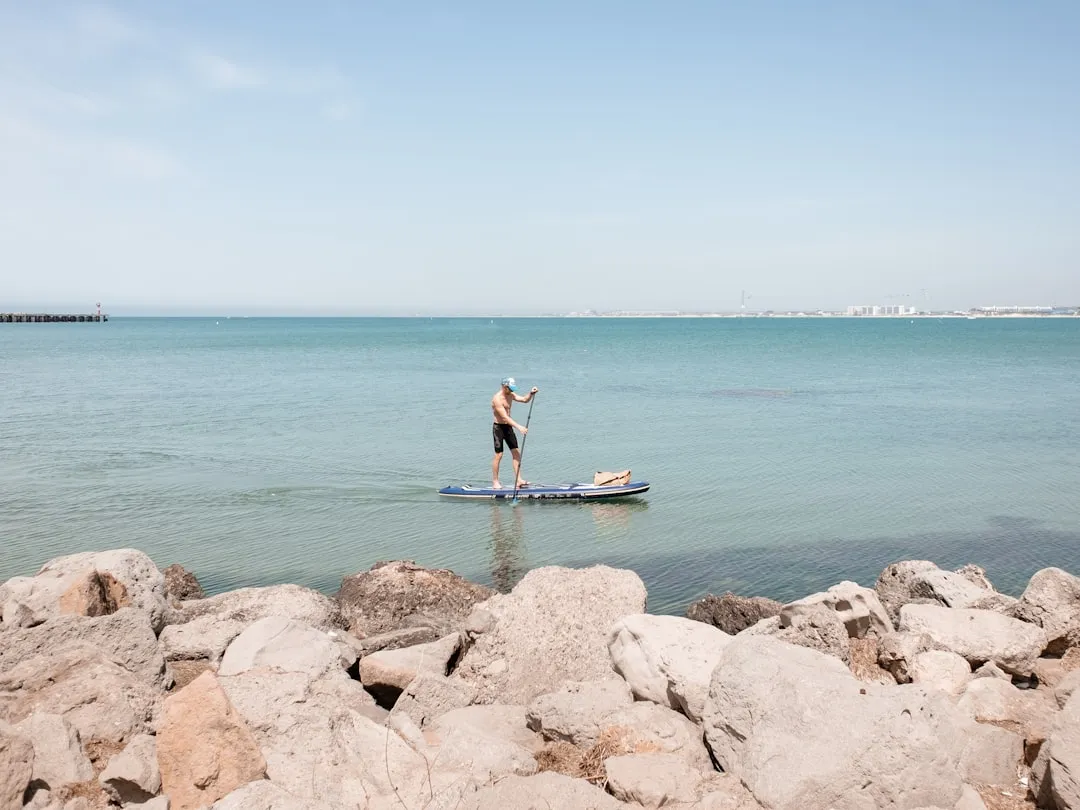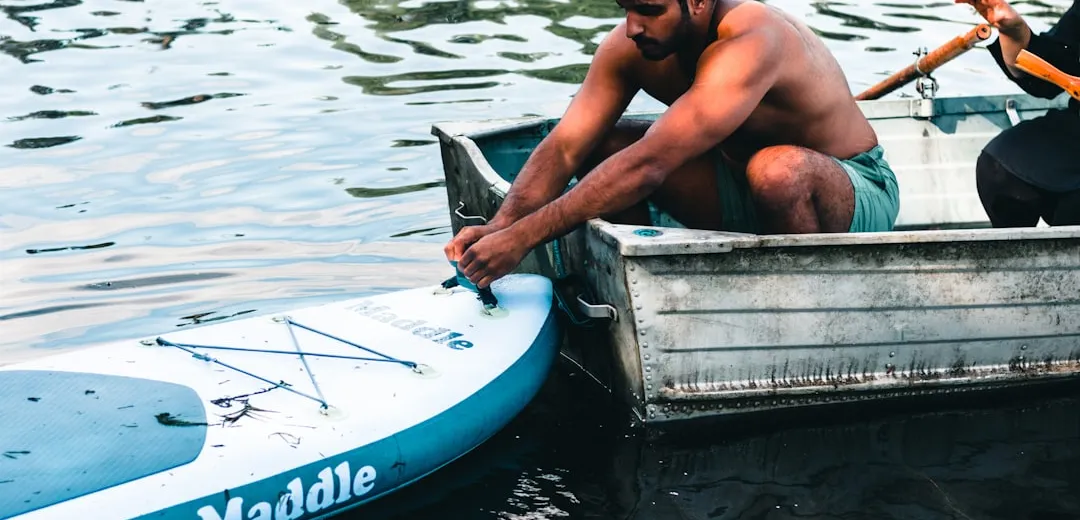
Stand up paddleboarding can look intimidating from shore. You are upright, balancing on a floating board, exposed to wind, current, and every wobble your body makes. But for beginners in the right conditions, paddleboarding is actually one of the most approachable ways to get comfortable on the water. The key is not raw athleticism. It is starting with the right gear, calm conditions, and a few simple habits that keep your learning curve manageable. If you are brand new, your first goal is not to look graceful. It is to feel stable, stay safe, and learn how the board responds beneath you. Once that clicks, everything else gets easier. For a solid foundation, check out this beginner’s checklist and review the American Canoe Association SUP safety guidelines.
Choose the easiest possible setup for your first session
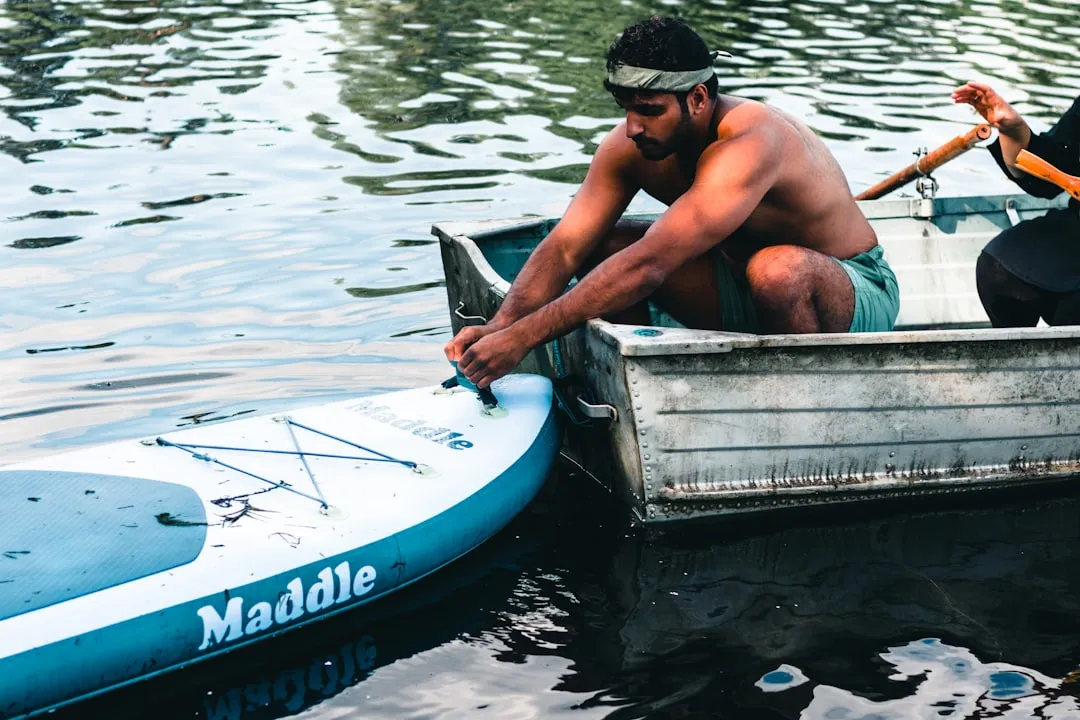
Beginners make paddleboarding harder than it needs to be when they start with the wrong board or the wrong environment. For a first session, prioritize stability over speed or style. A wider all‑around board in calm flatwater is almost always the best entry point. Look for an all‑around board with beginner‑friendly stability and consider a REI paddleboard buying guide for additional tips.
- Choose calm water such as a protected lake, pond, or quiet bay.
- Avoid windy afternoons and boat traffic while you are learning.
- Use a properly sized paddle and wear a leash where appropriate for the conditions.
Wear the right gear from the start
Just because paddleboarding often looks relaxed does not mean it should be casual about safety. Dress for water temperature, not air temperature, and think through what happens if you fall in. In warm conditions that may be a minor inconvenience. In cold water it can become the main risk of the outing. At minimum, think about your personal flotation device (PFD), leash strategy, sun protection, hydration, and footwear if the launch is rocky or slippery. For a full list of essential gear, see the 10 essential kayaking gear you shouldn’t leave home without.
- If the water is cold, add insulation and avoid assuming that “staying near shore” eliminates risk.
- Check the EPA sun safety tips for proper UV protection.
Start on your knees before you try to stand
One of the best beginner tricks is to start paddling from a kneeling position. This lowers your center of gravity and helps you feel how the board moves without forcing you to solve balance and stroke technique at the same time. Launch the board in shallow water, climb on carefully, and settle into a stable kneeling position near the center handle. Take a few strokes on each side. Notice how the board tracks, how much the paddle helps with balance, and how your body responds to small shifts. Once you feel steady, then you can work on standing. For more on reading water conditions, see the how to read water beginners guide and check NOAA’s water temperature data.
How to stand up on a paddleboard
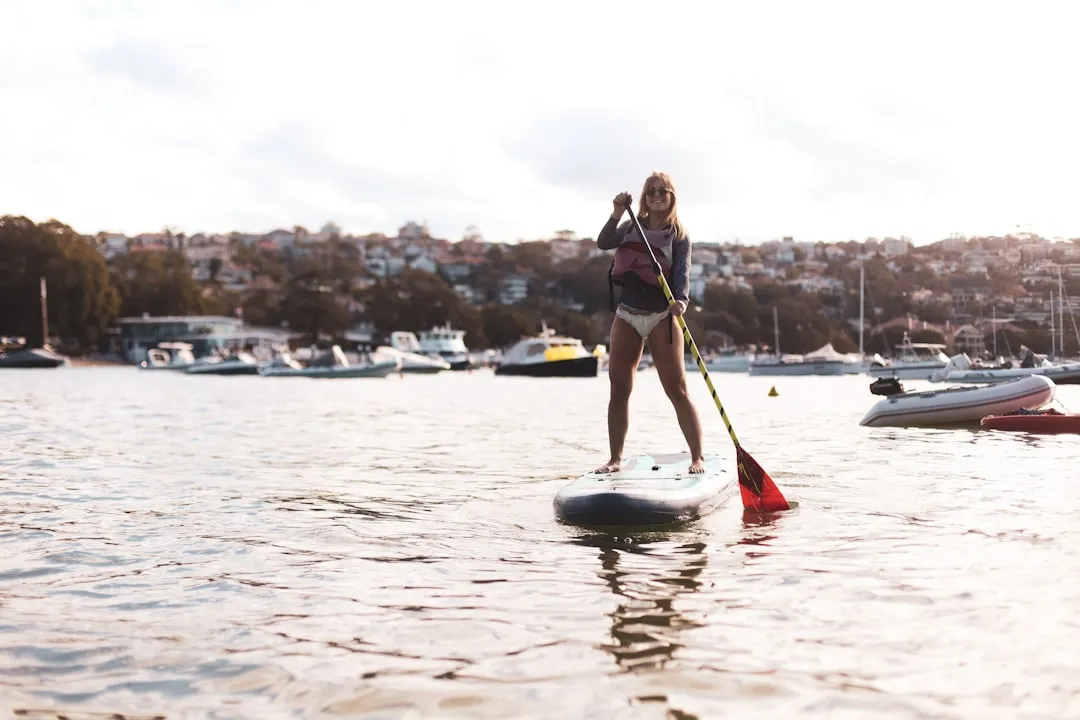
When you are ready to stand, do it slowly and deliberately. Keep your eyes on the horizon rather than looking straight down at your feet. Use the paddle as an extra point of stability in the water.
- Start kneeling near the center of the board.
- Place the paddle across the board or in the water for support.
- Bring one foot up at a time where your knees were positioned.
- Rise gradually, keeping knees soft and core engaged.
- Stand tall but relaxed, with feet roughly shoulder‑width apart.
For stance tips, consult the American Canoe Association’s SUP resources. You might also find it helpful to review how to get in and out of a kayak without tipping — the body positioning principles are very similar for paddleboard entries and exits.
Use the paddle for balance, not just propulsion
New paddlers often underestimate how much stability the paddle provides. A paddle blade in the water acts like a third point of contact. Even a light brace can calm the board and give you a moment to reset. Take short, controlled strokes at first. Reach too far and you will pull yourself off balance. Keep your movements compact, your hands relaxed, and your body centered over the board. For a deeper dive into paddle design, see the complete guide to kayak paddles – materials, sizes, and shapes (the principles apply to paddleboards as well) and review REI’s paddle technique advice. To build a more efficient stroke, explore mastering the forward stroke — the same power transfer mechanics will make your paddleboarding more efficient and less tiring.
Expect to fall, and learn how to fall safely
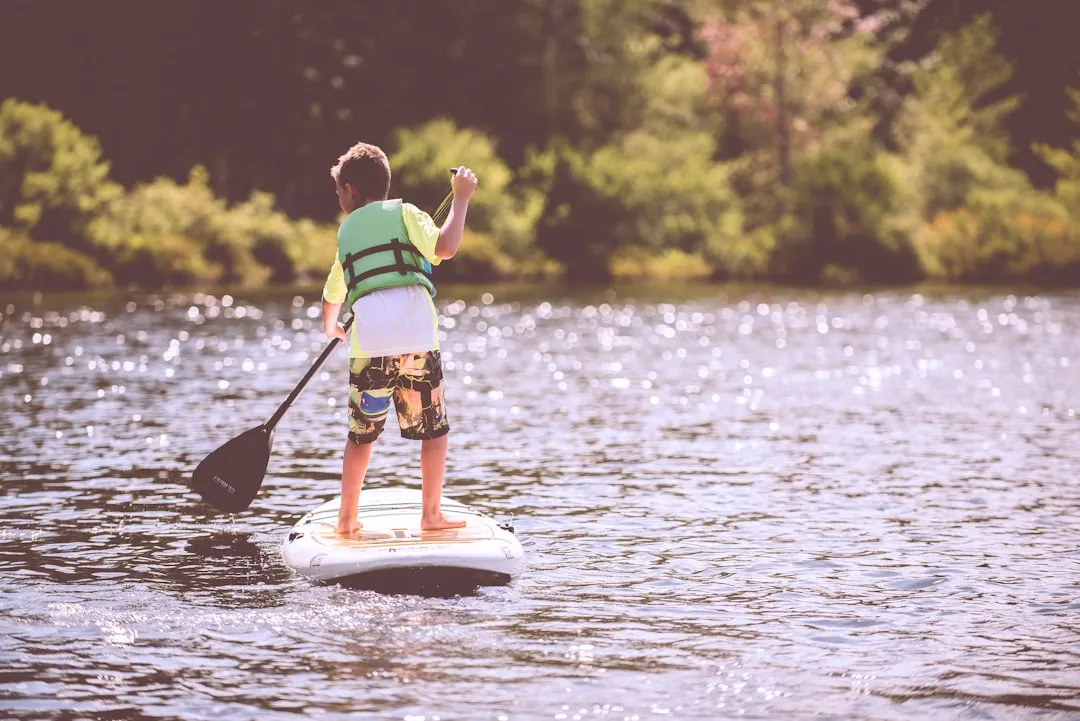
Falling is part of learning. The goal is not to avoid every splash. The goal is to fall in a way that reduces risk. If you are losing balance, try to fall away from the board rather than onto it, and keep hold of your paddle when possible. Practicing a calm remount in safe conditions is one of the fastest ways to build confidence. If you know you can climb back on, your balance improves because you stop treating every wobble like a crisis. For cold‑water safety, see the cold‑water immersion: kayaker’s survival guide and follow the U.S. Coast Guard water safety guidelines.
The best conditions for your first few sessions
For your first sessions, choose days with light wind and small or no waves. Early mornings are often better than afternoons because the water is calmer. Protected coves, flat lakes, and mellow inlets are ideal. Leave current, chop, surf, and busy boating zones for later. For destination ideas that match these conditions, explore the best paddling destinations for spring 2026, check out the 10 best beginner kayaking destinations in the United States (many of these spots are equally great for paddleboarding), and review NOAA’s marine forecast for real‑time wind and wave data.
Beginner mistakes to avoid
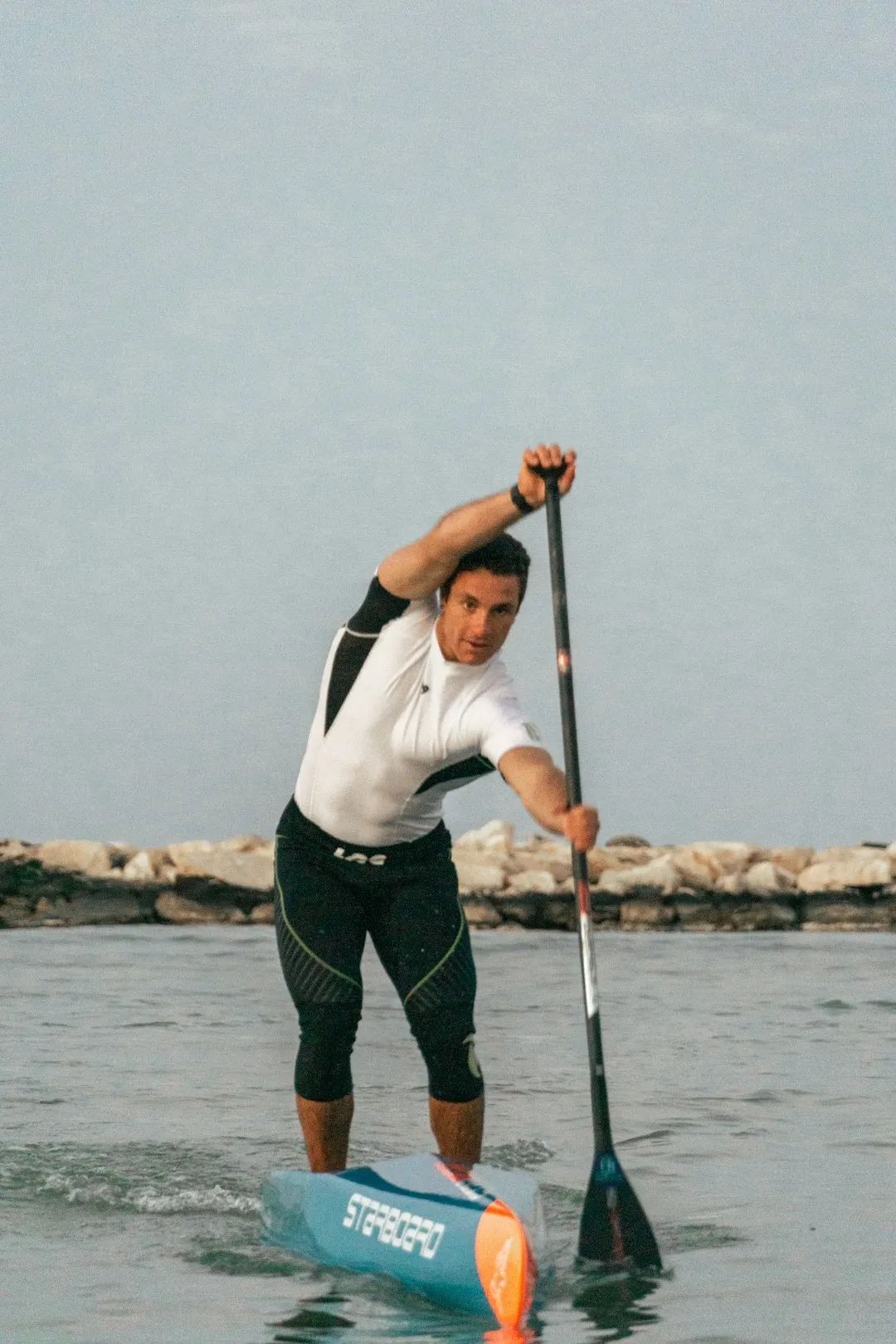
- Starting in windy conditions because the weather feels nice on shore.
- Using a board that is too narrow or performance‑focused.
- Looking down instead of ahead.
- Standing too far forward or too far back on the board.
- Tensing up instead of keeping knees soft and body relaxed.
- Ignoring safety gear because the water appears calm.
For a comprehensive safety checklist, refer to the kayak safety checklist: the essential pre‑launch protocol (2026). Additional safety tips are available from the U.S. Coast Guard safety guidelines.
What to work on after your first outing
Once you can stand, paddle forward, and remount confidently, the next steps are simple: improve your turning, build endurance, and get more comfortable in slightly varied conditions. From there, paddleboarding becomes much more fun because you can stop thinking about every movement and start enjoying the experience itself. For advanced technique pointers, check out mastering the forward stroke (many principles translate directly to paddleboarding) and explore turning tips from Sup the Sport. If you are considering whether to try kayaking too, see our breakdown of what are the advantages of kayaking over paddle boarding to find out which suits your style.